
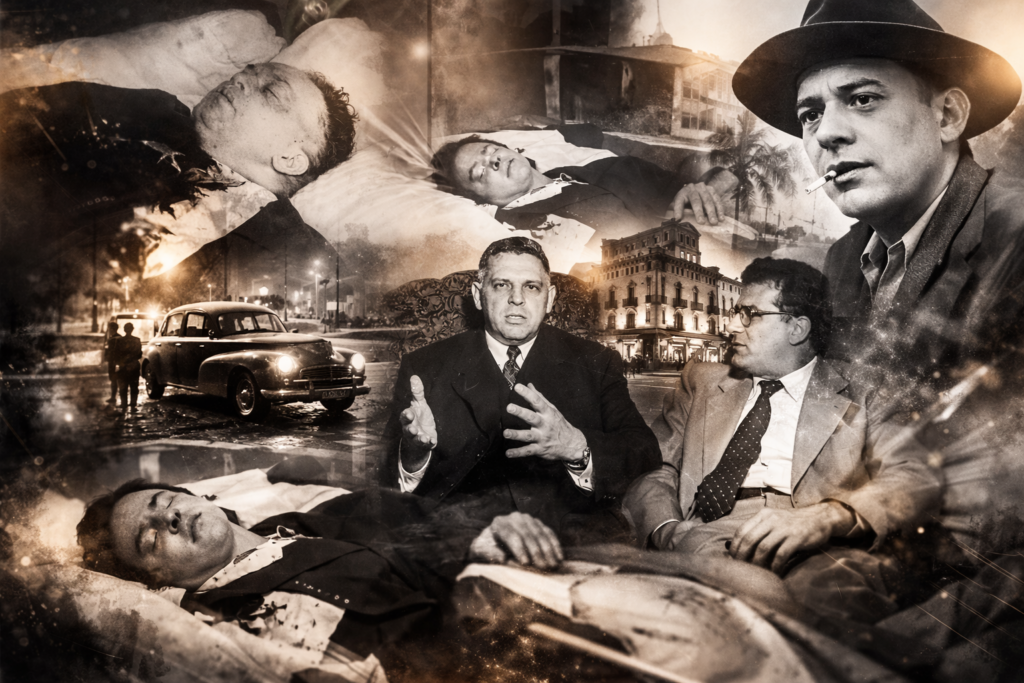
Carnival 1944: Confetti, Tears, and the Assassination That Stopped the Celebration
In the early hours of February 21, 1944, Governor Rodolfo T. Loaiza was shot and killed in Mazatlán. Within hours, Carnival was officially canceled. The city moved from music to mourning.
Mario Martini | P23 | Part I
EDITOR’S NOTE
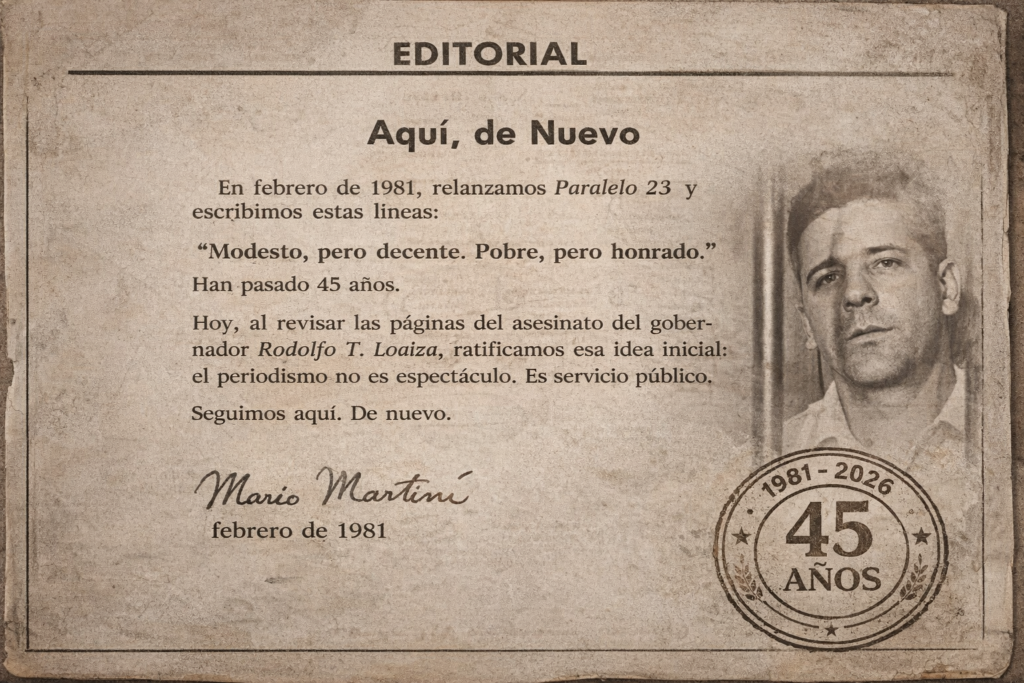
In February 1981, when Paralelo 23 returned to print, we wrote that journalism should be modest — but decent. Forty-five years later, as we revisit one of Mazatlán’s most consequential political crimes, that principle remains unchanged.
This chronicle does not seek spectacle. It seeks memory. It seeks context. It seeks to understand how a night of celebration became a defining moment in Sinaloa’s political history.
We begin again.
Mazatlán did not wake up the same that morning.
Music still lingered in the air when two gunshots altered the political history of Sinaloa. It was 1: 45 a.m. Outside, Carnival lights still shimmered. Inside, Governor Rodolfo T. Loaiza fell mortally wounded.
By sunrise, the decision was immediate: the 1944 Carnival was suspended. The traditional Monday celebration of the “Marido Oprimido” was canceled. Tuesday’s parade never took place.
Confetti covered the streets. Silence replaced the brass bands. And a question began echoing through the country:
Who ordered the assassination?
It was February 1944. Carnival lights flooded the streets. Music echoed across the port city. Confetti, laughter, celebration.
And then — gunshots.
At 1: 45 a.m., Governor Rodolfo T. Loaiza lay dead.
Two bullets.
One political earthquake.
And a name that would haunt Sinaloa for decades: “El Gitano.”
“I killed the governor because I was ordered to.”
Years later, that chilling statement resurfaced in archival interviews and judicial records.
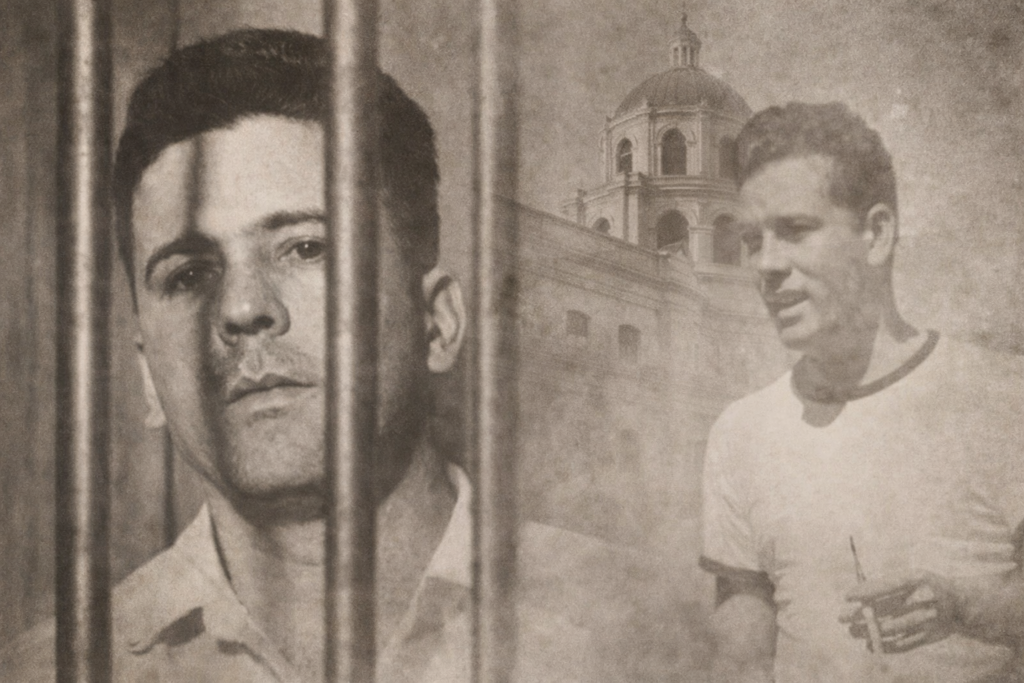
Rodolfo Valdez Valdez — known as El Gitano — confessed to killing Loaiza. But he insisted he did not act alone. According to his testimony, the assassination was not personal.
It was political.
That claim would transform a crime of violence into a case of power.
A Power Struggle in 1940s Mexico
The early 1940s were not calm years in Mexican politics. Behind the public façade of post-revolutionary stability, internal disputes simmered.
Sinaloa was no exception.
Loaiza represented a faction within the ruling political elite. His leadership and alliances positioned him at the center of a growing dispute over succession and influence.
Military figures and regional power brokers were already maneuvering.
Then the governor was murdered in the middle of Carnival.
Coincidence?
Or culmination?
The Confession That Changed the Narrative
After his arrest, El Gitano made statements that shook the case. He claimed he had been acting under orders — allegedly tied to powerful figures within the political and military establishment.
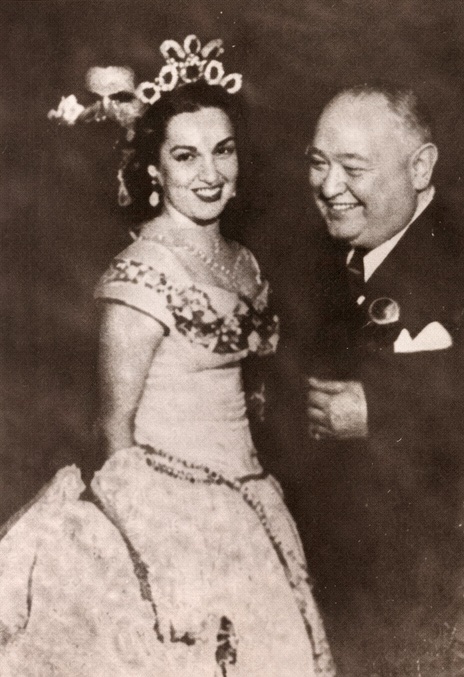
Among the names mentioned in historical accounts was General Pablo Macías Valenzuela, who strongly denied involvement and called the assassination “disgusting.”
No definitive proof of intellectual authorship was ever legally established.
But suspicion lingered.
A Crime That Captured National Attention
The assassination did not remain a local tragedy.
Newspapers across Mexico reported on the case. Military officials were questioned. Judicial proceedings dragged on. Rumors of conspiracy grew.
Was El Gitano a hired gun?
A scapegoat?
Or a pawn in a broader political game?
The mystery deepened when he later escaped from prison. Stories circulated that he fled disguised as a woman. He eventually died years later, reportedly from illness.
He never fully clarified who, if anyone, gave the order.
The Legacy of a “Political Crime”
For many historians and journalists, the assassination of Rodolfo T. Loaiza marked the end of an era — and the beginning of a darker chapter in Sinaloa’s political life.
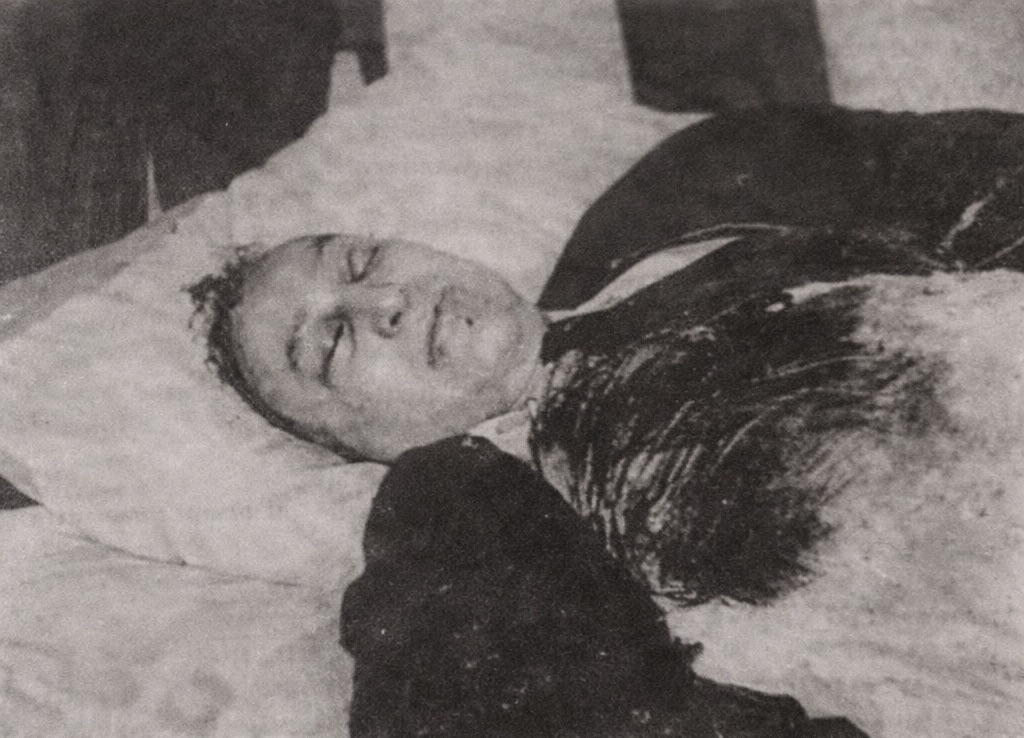
Some have described it as the closing of a “school of political violence.”
Others see it as proof that power struggles in mid-20th-century Mexico could escalate beyond negotiation.
What remains undeniable is this:
A governor was killed during Carnival.
The accused confessed — but implicated others.
And the full truth may never have been revealed.
Why This Story Still Matters
Political violence is not new.
The intersection of power, loyalty, and ambition has shaped history across decades.
In Mazatlán, one night of celebration turned into a moment that still echoes in archives — and memory.
The Carnival ended.
But the questions never did.