Mazatlán’s Deadliest Carnival: The 1944 Assassination of Governor Rodolfo T. Loaiza
In February 1944, during Mazatlán’s Carnival celebrations, Sinaloa Governor Rodolfo T. Loaiza was shot dead. The crime exposed a fierce political struggle in post-revolutionary Mexico.
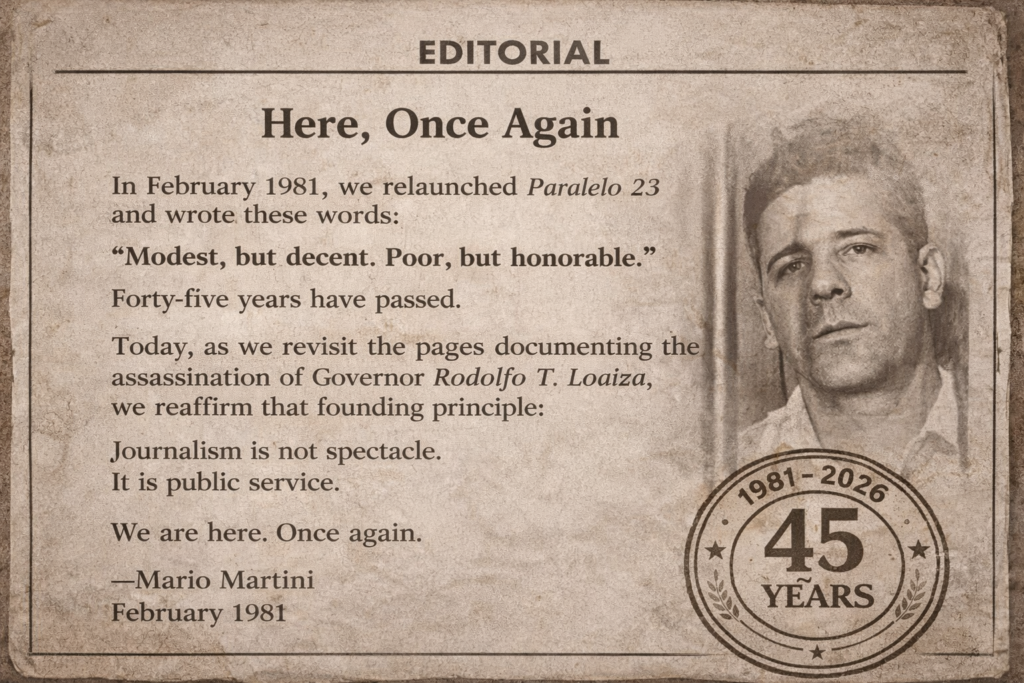
Mario Martini | P23b| Parte II
Mazatlán was celebrating.
Music filled the streets. Fireworks lit the sky. Carnival was in full swing.
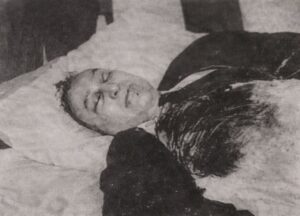
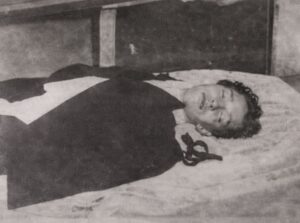
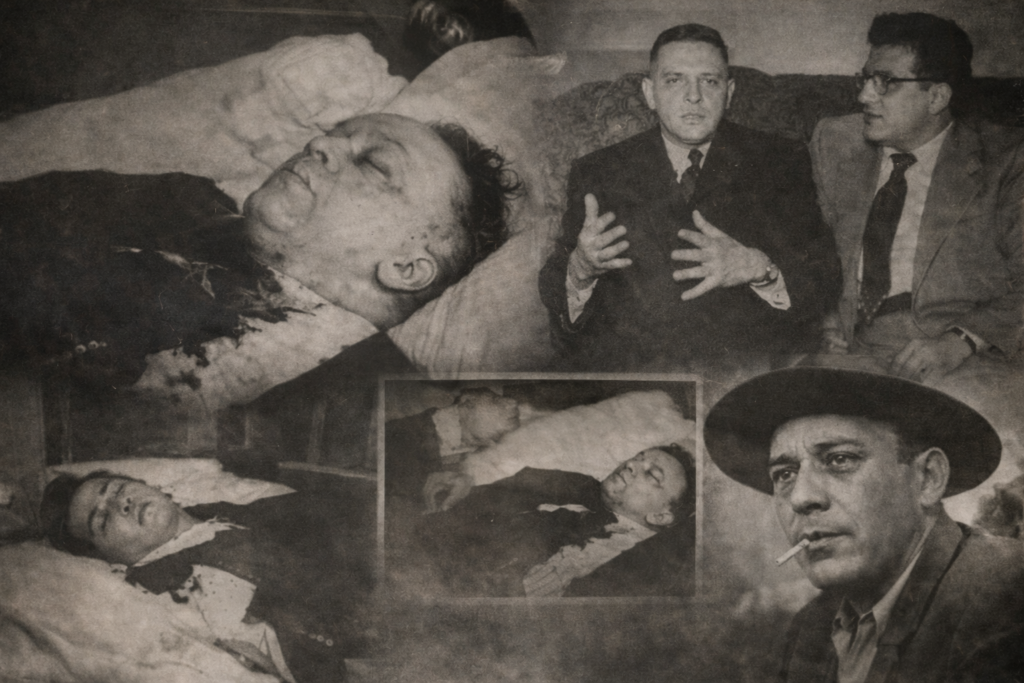
At 1: 45 a.m., Sinaloa Governor Rodolfo T. Loaiza was dead.
Two gunshots ended not only a life, but a political chapter in the state’s history.
The assassination shocked Mexico. It raised questions about power, military influence, and political rivalries within the ruling revolutionary elite.
The Political Dispute Behind the Crime
By 1943, tensions over succession in Sinaloa were growing. Loaiza was not a passive administrator. He represented a political current within the dominant revolutionary structure.
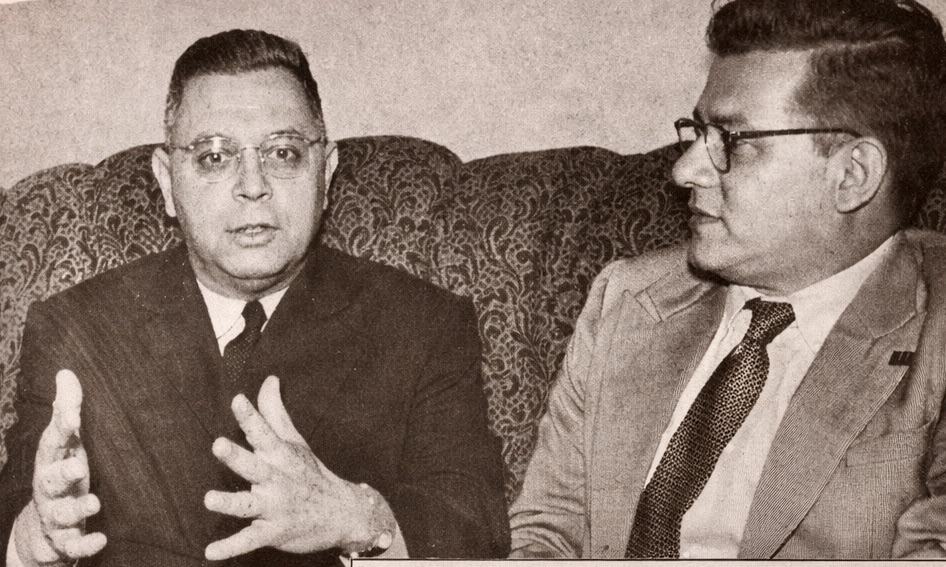
The name that surfaced in later accusations was General Pablo Macías Valenzuela.
He denied any involvement, calling the crime “disgusting.” No definitive proof linked him directly. But suspicion lingered for decades.
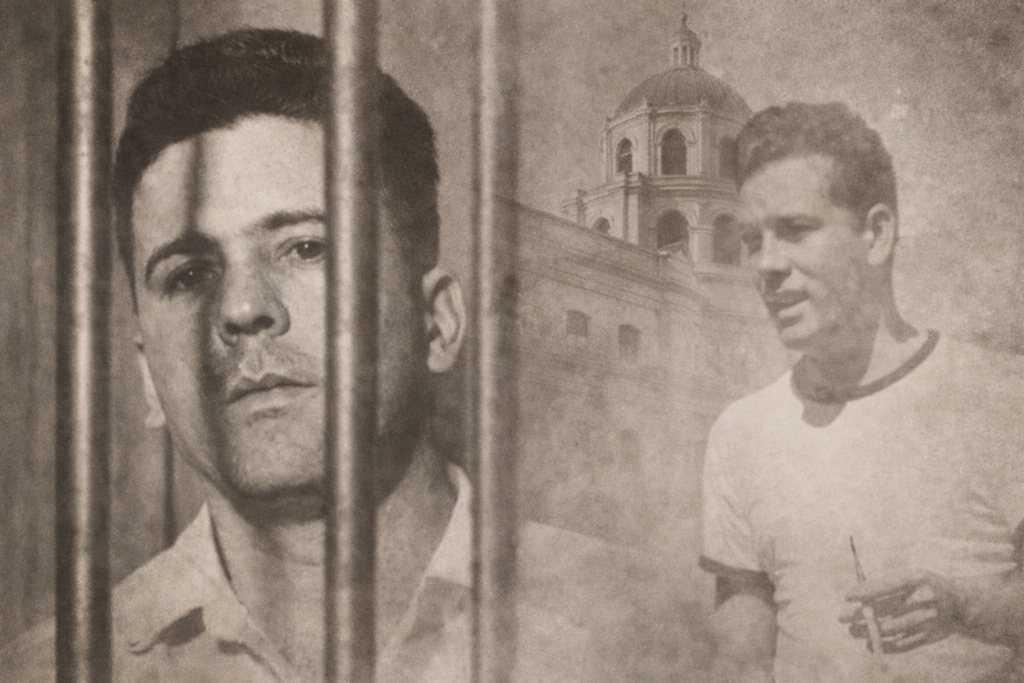
The Gunman: “I Was Ordered to Do It”
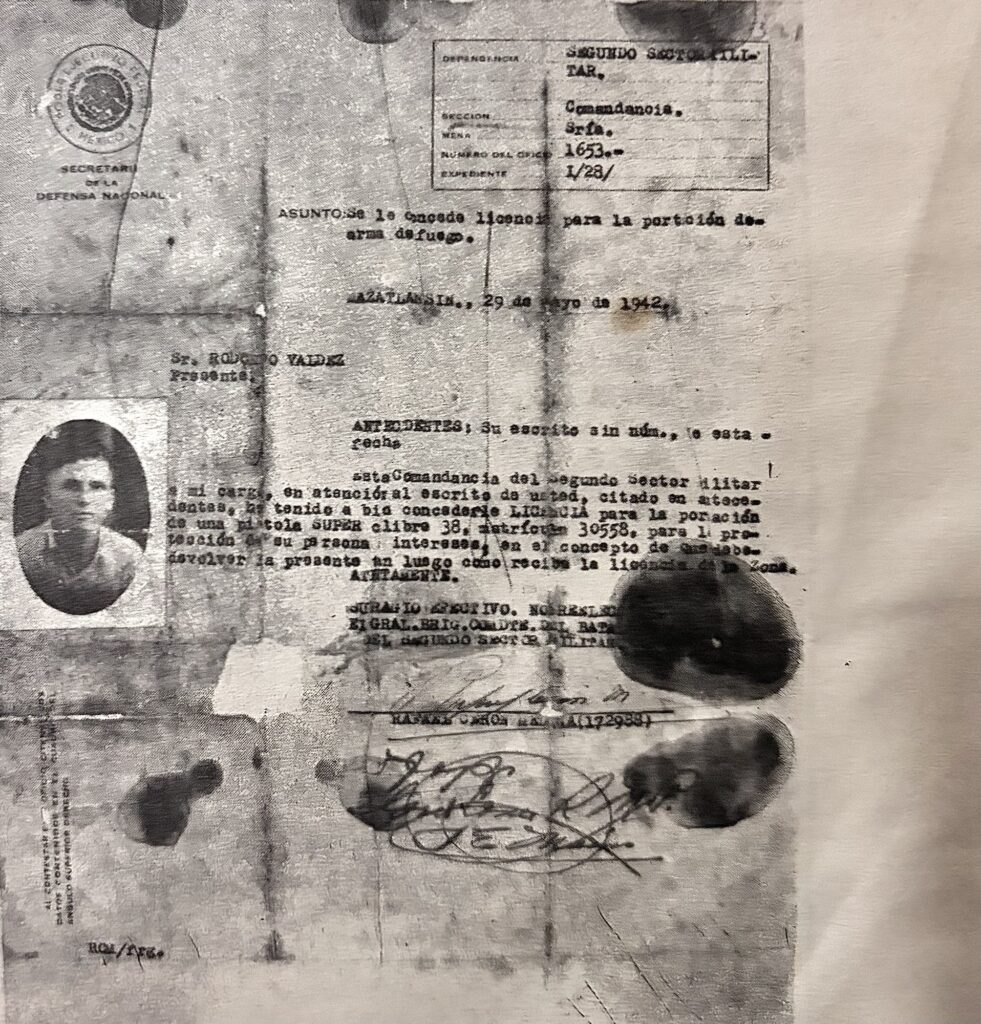
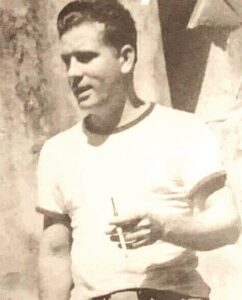
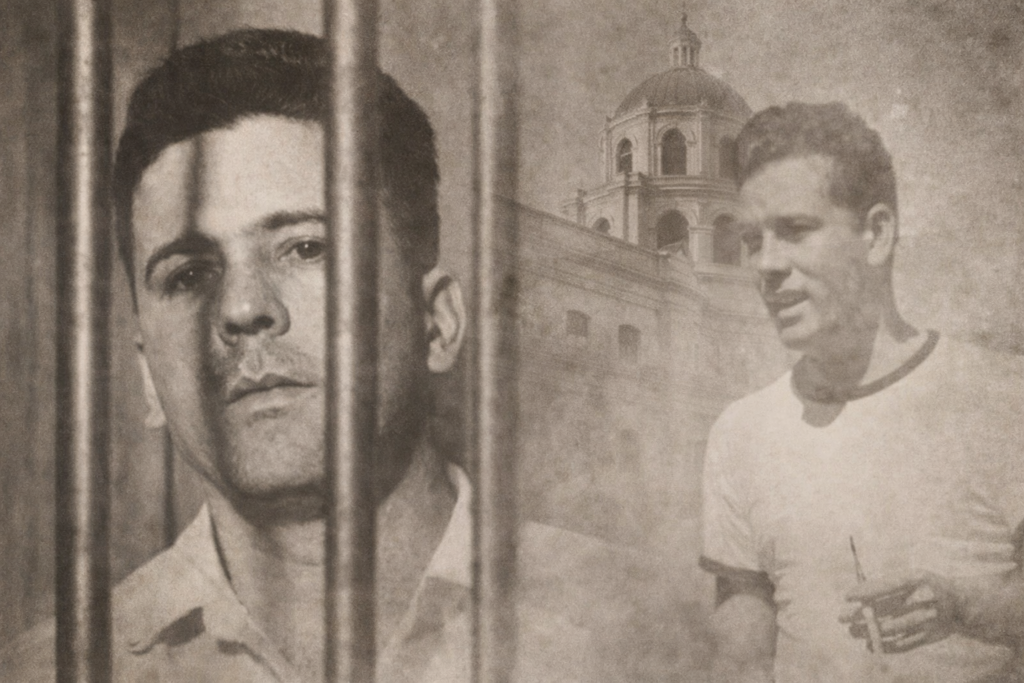
The alleged shooter, Rodolfo Valdez Valdez — known as “El Gitano” — later claimed he did not act alone.
I killed the governor because I was ordered to.”
The statement, published years later, reignited debate.
Was it personal revenge?
Political conspiracy?
Or a power struggle turned deadly?
Why It Still Matters
The 1944 assassination became one of the most dramatic political crimes in Sinaloa’s history.
It happened during Carnival — the city’s most iconic celebration.
Mazatlán continued celebrating every year.
But politics in Sinaloa was never the same.