
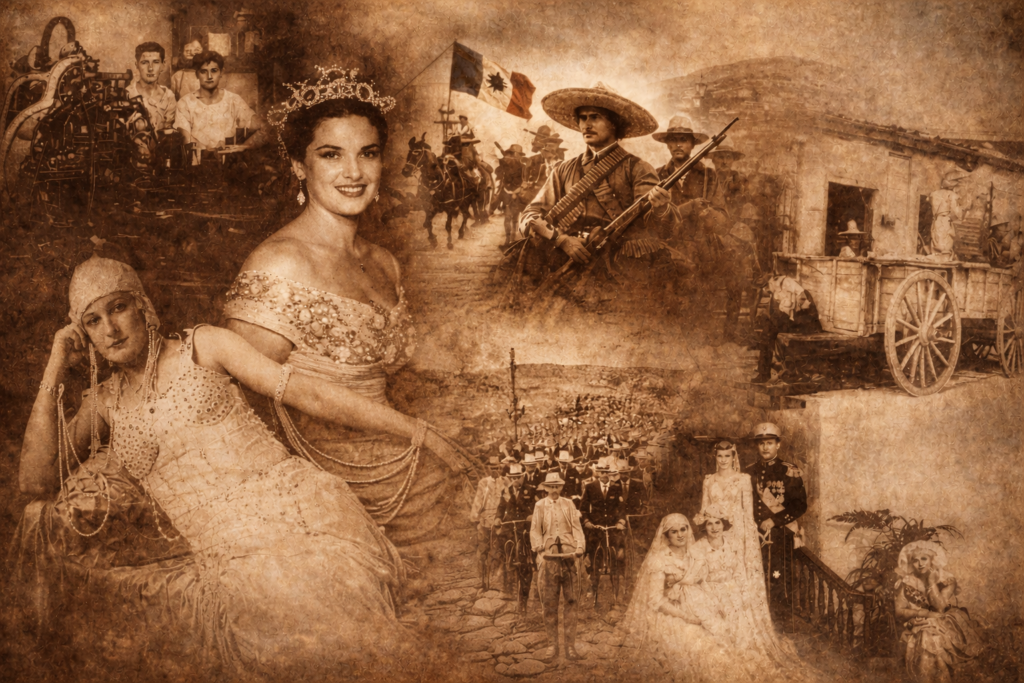
One Hundred Years of Carnival | 1898–1930 | When Mazatlán Invented Its Own Celebration | Part I
By Mario Martini | Valentina Ramírez Translation. |P 23 | Part I
If this were only a carnival chronicle, we would speak of queens, confetti and brass bands.
But that would not tell the whole story.
Mazatlán’s Carnival did not grow in peaceful times. It survived epidemics, economic hardship, revolution, and even military conflict. Ignoring that context would strip the celebration of its true meaning.
Carnival in Mazatlán was not born in calm waters.
It was born in tension — and endured.
For many foreign residents who now call Mazatlán home, Carnival may seem like a colorful annual spectacle. Yet its origins reveal something deeper: a city repeatedly choosing celebration over collapse.
1898: Organizing Joy
Picture Mazatlán at the end of the 19th century.
A thriving Pacific port. European steamships docking at the harbor. German, Spanish, and Mexican merchants crossing dusty streets lined with wooden balconies facing the sea.
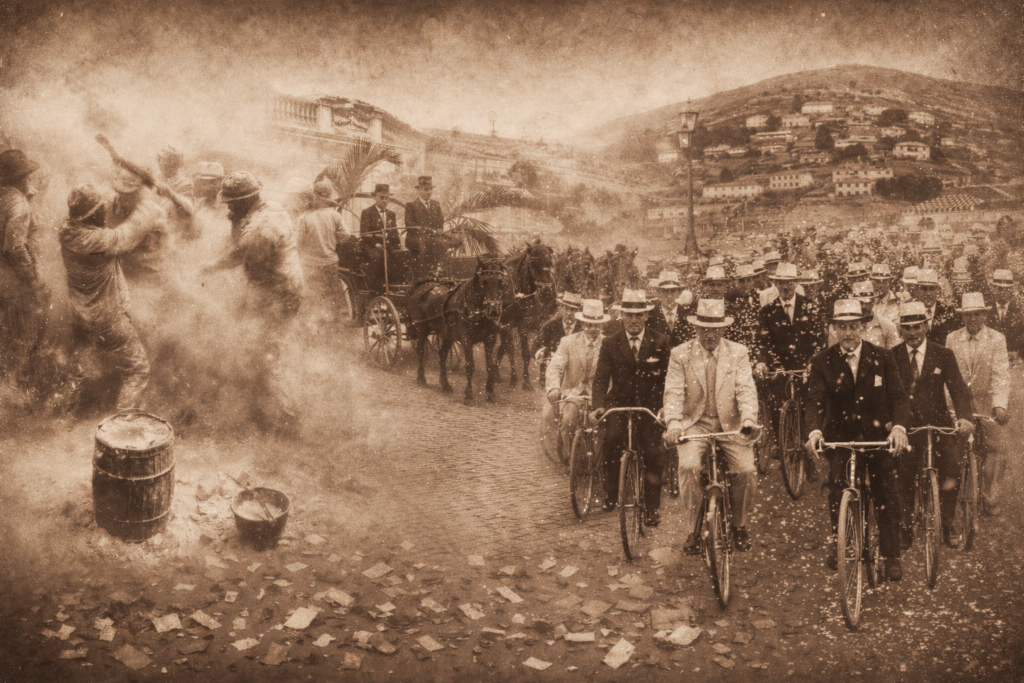
In the weeks before Lent, young people filled the streets throwing flour at one another — a chaotic, playful ritual inherited from older traditions. It was festive… but messy.
In 1898, a civic committee known as the Junta Patriótica, led by Dr. Martiniano Carvajal, decided to institutionalize the celebration. Flour would be replaced by confetti. Disorder would gain structure.
They did not realize it at the time, but they were founding what would become one of Mexico’s longest-running Carnival traditions.
Mazatlán had entered modernity — through celebration.
From Dionysus to the Pacific
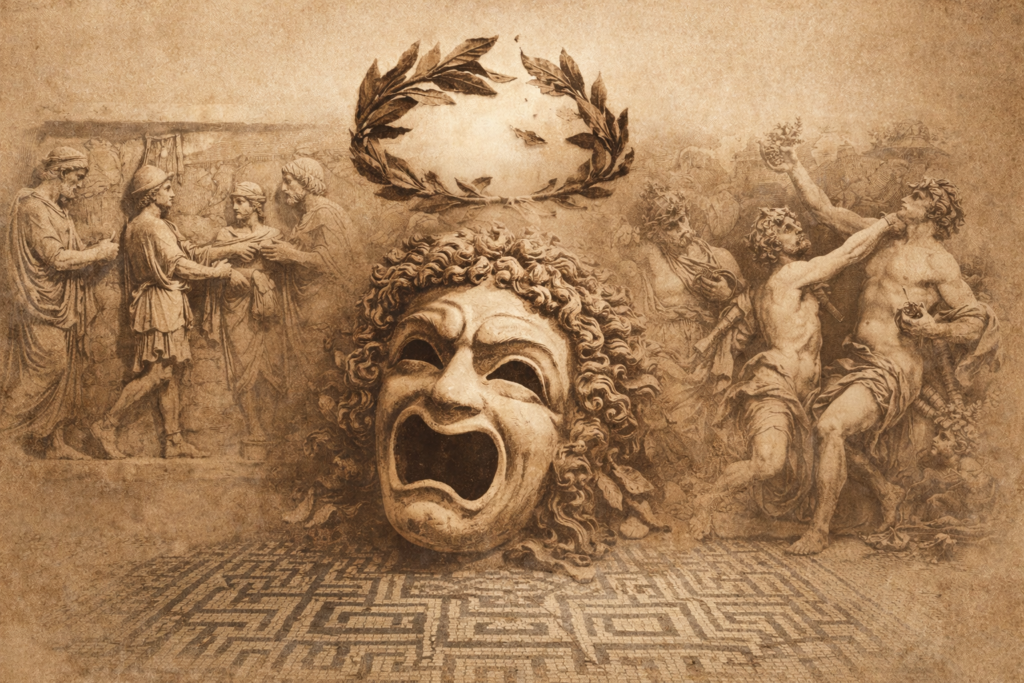
Carnival traces its roots to ancient Europe. Greek festivals honoring Dionysus and Roman Saturnalia temporarily suspended social hierarchies through feasts, music, masks, and excess.
France refined masquerade traditions. Spain formalized pre-Lenten celebrations during the colonial period.
But Mazatlán did not simply inherit Carnival.
It reshaped it.
As a port city, Mazatlán was culturally hybrid from the beginning. Spanish traditions mingled with Indigenous heritage and strong German commercial influence.
The word “Papaqui,” still used today as the Carnival anthem, comes from Náhuatl and roughly means joy, celebration, glorification. Its survival reflects Mexico’s deep Indigenous layer beneath European forms.
In nearby mountain communities such as Matatán, early 20th-century festivities included symbolic “Moors and Christians” reenactments — poetic challenges called “relates” that sometimes escalated beyond metaphor.
Carnival has always balanced celebration and confrontation.
1900: The Fantasy Ball
By 1900, Mazatlán’s Carnival had moved indoors.
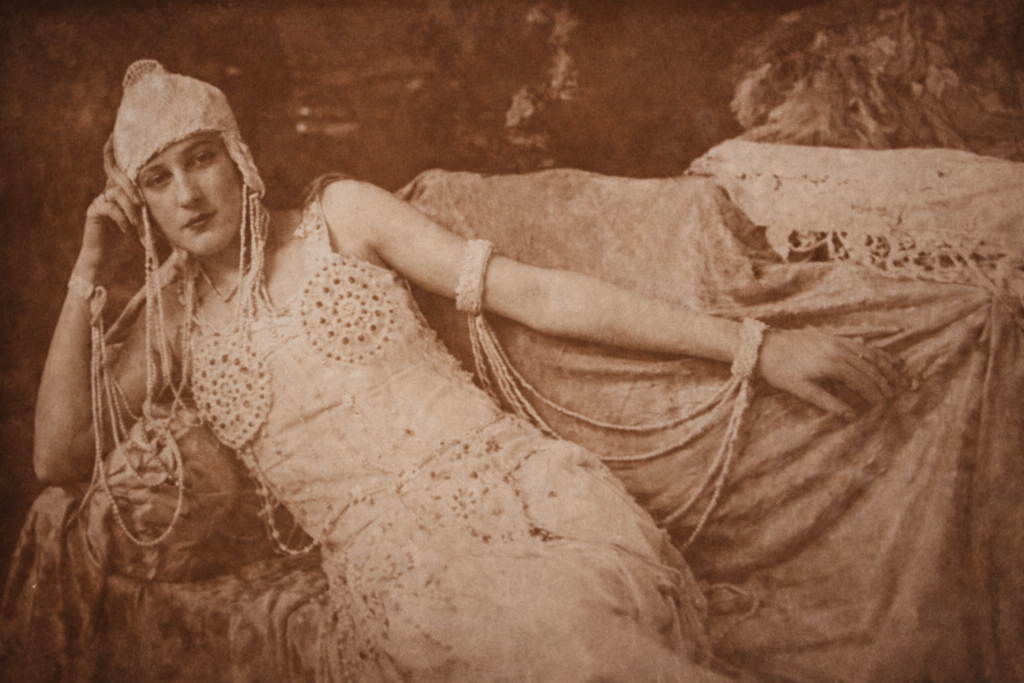
At the Casino of Mazatlán, decorated with mirrors, garlands and European motifs, society figures appeared dressed as Egyptian queens, Roman royalty and Wagnerian heroines. Contemporary newspapers documented the elegance in detail.
Mazatlán looked toward Europe —
but danced facing the Pacific.
That same year, the Pacific Brewery (Cervecería del Pacífico) was founded by German entrepreneurs living in the port. Beer, brass bands and Carnival quickly became intertwined.
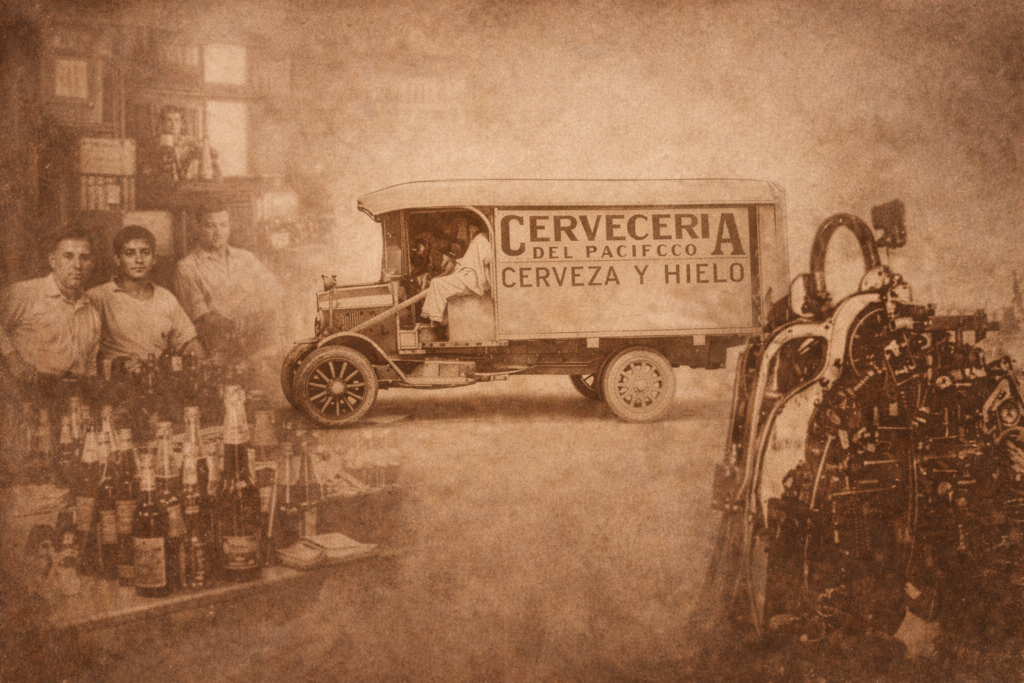
Modernity in Mazatlán was not only visible.
It was drinkable.
Epidemics, Revolution — and Survival
Historical records show multiple interruptions:
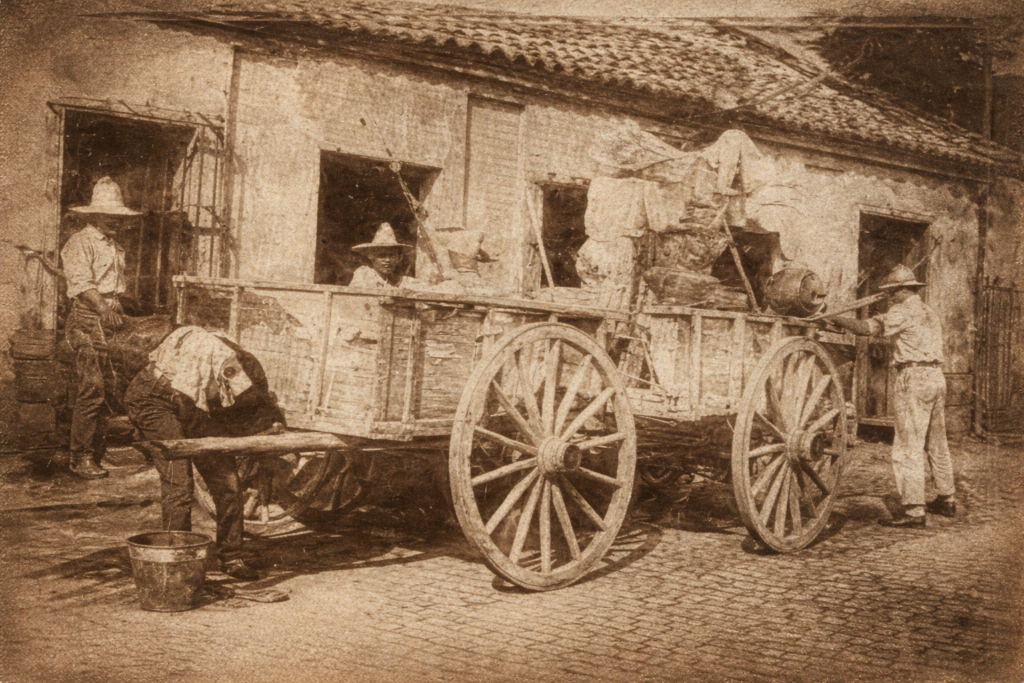
1903: bubonic plague.
1906–1907: financial shortfalls.
1912: smallpox epidemic.
1915–1916: monetary instability during the Mexican Revolution.
Even the military siege of Mazatlán in 1914 did not permanently erase Carnival.
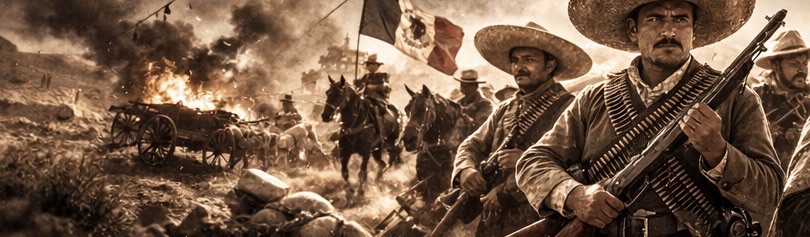
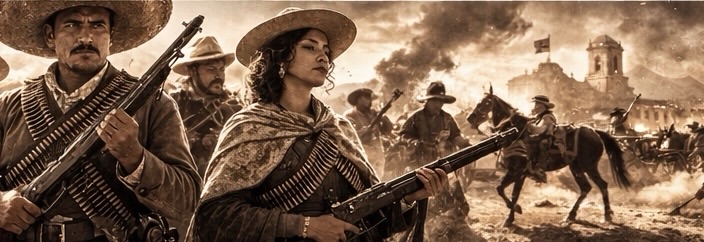
Only extraordinary crises could suspend it temporarily.
Over time, Carnival became a civic truce — a collective pause in which the city reorganized itself and reaffirmed identity.
For foreign residents today, this resilience helps explain why Carnival is not merely entertainment. It is memory.
The Roaring Twenties in Mazatlán
By the late 1920s, Charleston rhythms influenced dance floors. Electric lighting transformed night parades. Fashion reflected global trends.
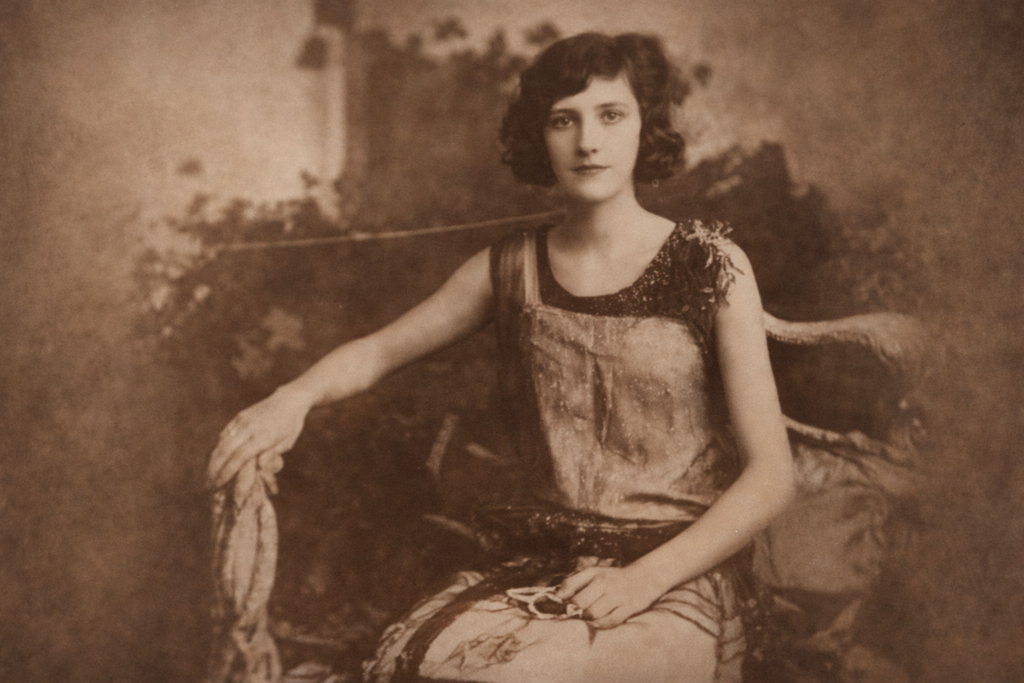
Mazatlán was connected — economically and culturally — to international currents.
Carnival had evolved from spontaneous street play into a structured annual institution with queens, ceremonies and public ritual.
By 1930, the celebration was no longer experimental.
It was tradition.
A Port City Choosing Celebration
Between 1898 and 1930, Mazatlán did more than organize a festival.
It invented a civic identity.
Each February, facing the Pacific Ocean, the city made a decision: no matter the political climate, no matter economic uncertainty, joy would not be surrendered.
And that choice — repeated year after year — is what foreign residents witness today when confetti fills the air and brass bands echo along the malecón.
Carnival here is not escapism.
What Came Next: Jazz, Gunfire, and Modern Spectacle
By 1930, Carnival was no longer fragile.
It had survived plague, poverty, and revolution. It had absorbed European ritual, Indigenous roots, and German enterprise. It had moved from flour fights to formal coronations.
But the decades ahead would test it in new ways.
The 1930s and 1940s would bring radio, jazz influences, cinematic glamour — and rising political violence. Bulletins of celebration would coexist with headlines of bloodshed. Governors would fall. Economic tensions would intensify.
And yet, Carnival would continue.
In the next chapter (1930–1950), Mazatlán’s festival enters its most dramatic phase — where modernity, tragedy, and spectacle collided under electric lights.
Because survival was only the beginning.
It is continuity.