
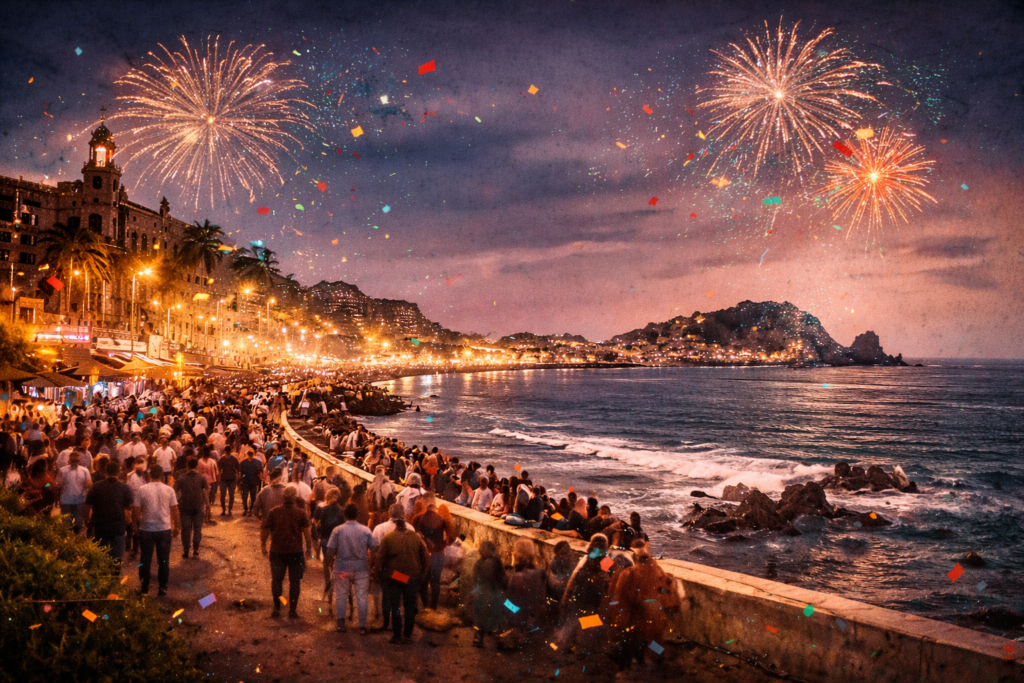
Carnaval de Mazatlán recupera las calles para su gente
Crónica de Mario Martini, | Traducción Valentina Ramírez | Paralelo 23
Históricamente Mazatlán se mide por sus carnavales.
En Mazatlán el tiempo no se cuenta por calendarios ni por sexenios.
Se cuenta por carnavales.
Cada edición es una muesca en la memoria colectiva: el año en que llovió confeti y el año en que no hubo música; el carnaval que desbordó el malecón y aquel que sólo existió en la nostalgia o el que significó el mayor escándalo en la elección de la reina, a veces más ríspido que cualquiera elección constitucional. Porque aquí, cuando el carnaval falta, la ciudad lo siente en sus arterias.
Desde 1898, el Carnaval Internacional de Mazatlán no es una fiesta: es un pulso. Un acuerdo tácito entre la gente, el mar y la culpa. Es el ritual que anuncia que, pese a todo, la vida sigue encontrando cómo celebrarse, no por nada, su línea narrativa se apoya en una frase: “todo se vale al fin, y al cabo es carnaval”.
Los mazatlecos lo saben. Por eso repiten la frase como quien protege una verdad antigua: la historia de Mazatlán se cuenta por carnavales.
Y hoy, esa historia apunta a una sola dirección clara: que recupere las calles para su gente.
No como espectáculo vacío, sino como reapropiación del espacio público, como acto colectivo frente al miedo, como recordatorio de que la ciudad pertenece a quienes la habitan.
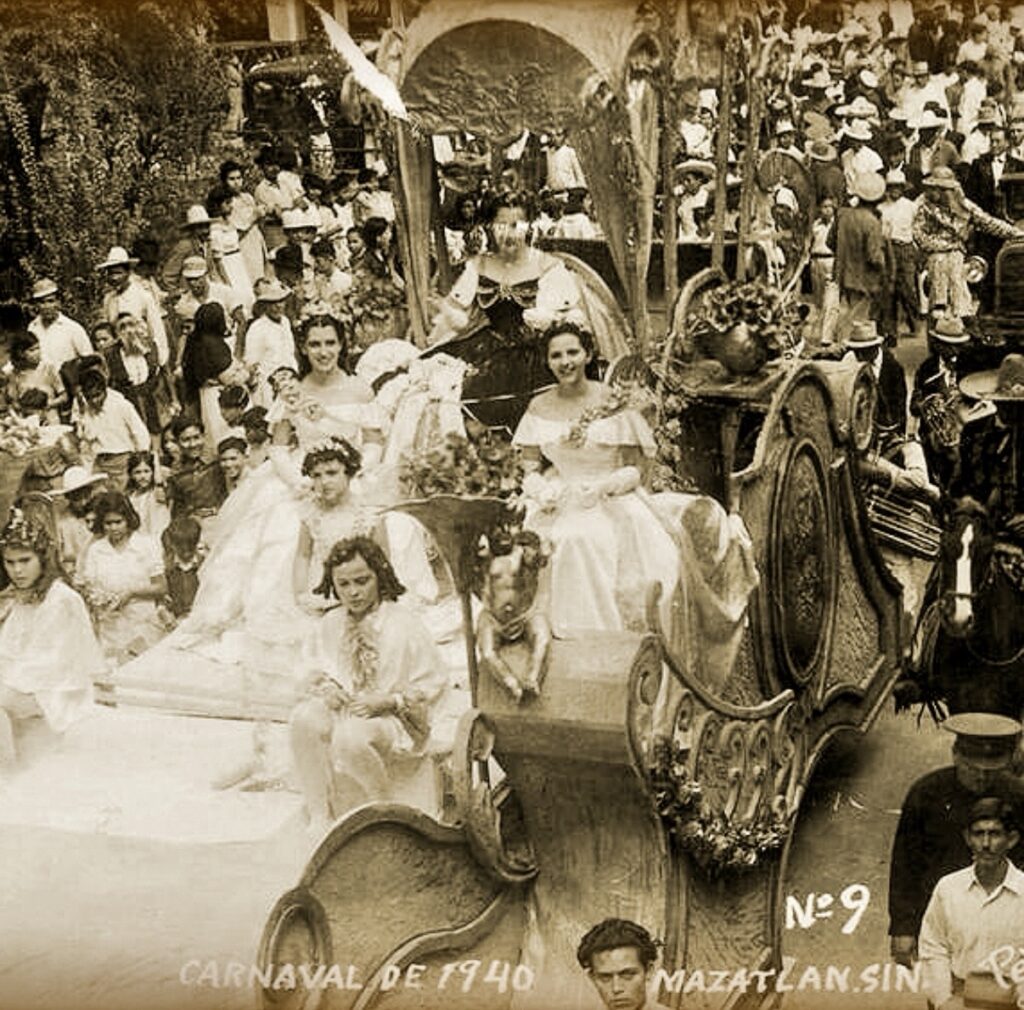
Hubo años luminosos: coronaciones bajo lámparas antiguas, comparsas que avanzaban entre risas, trajes cosidos a mano como si fueran promesas. El puerto aprendió a mirarse en el espejo de su fiesta, a reconocerse en la música, en el exceso, en el gozo compartido.
Pero también hubo silencios.
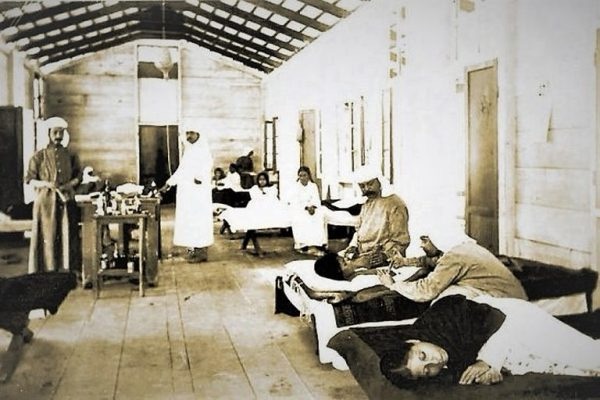
A lo largo de su historia, el carnaval ha sido suspendido en siete ocasiones. Tres por motivos sanitarios. La primera, en 1903, cuando la peste bubónica obligó a cerrar balcones y a guardar los tambores. En 1912, la viruela volvió a apagar la música. En 2021, la pandemia de COVID-19 dejó al malecón sin multitudes y a la ciudad sin su cita anual con la alegría. En cambio, dejó un reguero de muertos.
Otras suspensiones llegaron por la escasez y la violencia. En 1906, 1915 y 1916 no hubo fondos suficientes; estos dos últimos años coincidieron con las luchas de la Revolución mexicana. Y en 1944, el carnaval se detuvo abruptamente cuando, en plena fiesta, fue asesinado a balazos el entonces gobernador de Sinaloa, Rodolfo T. Loaiza, en la zona de Olas Altas, la madrugada del 21 de febrero, un día antes del cierre oficial. Es decir, fue suspendido 2 día pero los historiadores lo toman como suspensión.
Miedo, pobreza y violencia
El carnaval se suspendió cuando las epidemias caminaron las calles, cuando el miedo hizo imposible el desfile, cuando la violencia rompió la tregua festiva. Siempre por razones extraordinarias. Siempre con un costo profundo para la vida emocional de la ciudad.
Porque el carnaval no es el espectáculo: es la gente.
Es la señora que guarda el programa como recuerdo.
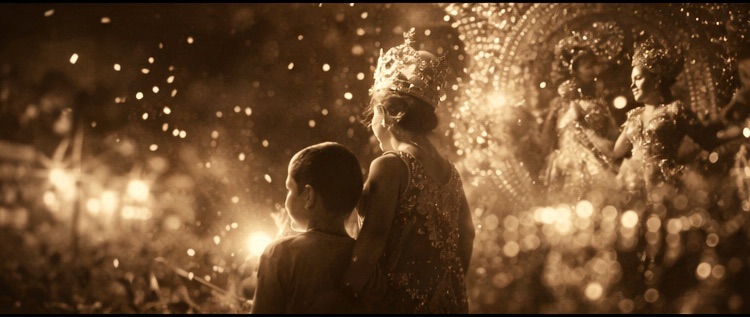
El niño que ve pasar a la reina por primera vez.
El comerciante que espera esos días para respirar un poco mejor.
Cuando el carnaval se cancela, Mazatlán entra en pausa.
Pero esta ciudad aprendió algo con los años: el carnaval puede detenerse, pero no desaparecer.
Siempre vuelve.
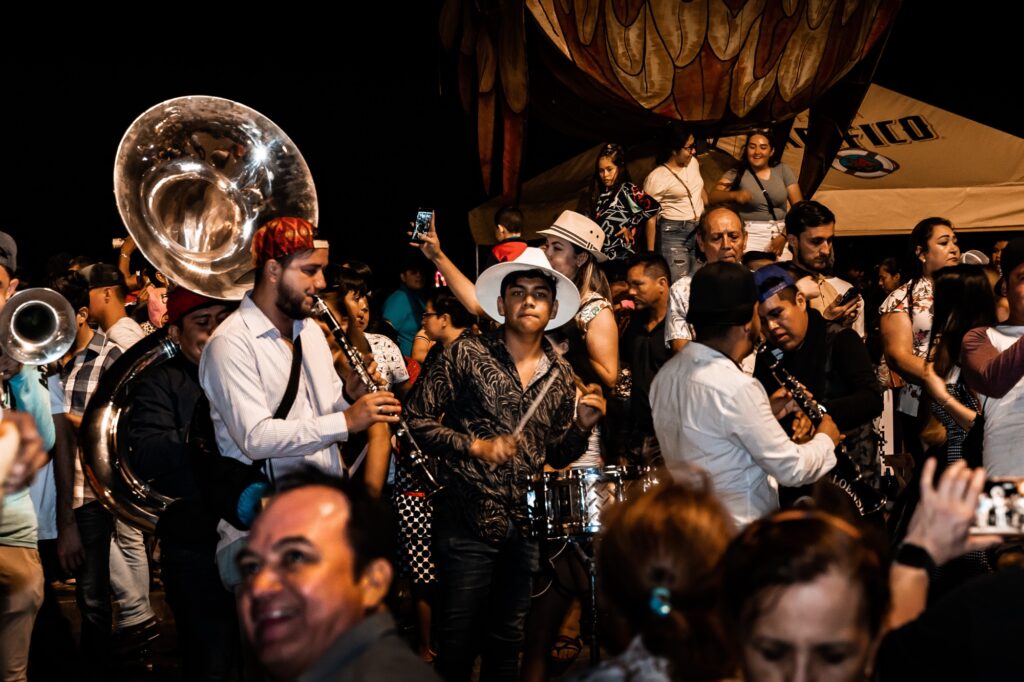
Vuelve con música que se escucha desde varias calles antes. Vuelve con el malecón desbordado, con el color peleándole espacio a la noche, con cuerpos cansados pero felices. Vuelve como volvió en 2025, con más de un millón de personas reclamando su derecho a la fiesta, a la calle, al nosotros.
No es sólo derrama económica —aunque la hay—.
Es derrama emocional.
El carnaval es una forma de resistencia. Una manera de decir que Mazatlán no se rinde, que incluso en los años más oscuros la ciudad guarda confeti en los bolsillos para cuando vuelva la luz.
Por eso cada edición importa.
Por eso cada suspensión duele.
Y por eso cada regreso se celebra como si fuera el primero.
Porque al final, cuando el último acorde se apaga y el malecón queda cubierto de papel de colores, queda algo más profundo: la certeza de que Mazatlán sigue ahí, contándose a sí misma, año con año, carnaval tras carnaval.
Y mientras haya memoria, música y mar, la historia seguirá escribiéndose así: con fiesta, con resistencia y con la obstinada alegría de un puerto que se niega a olvidar quién es.
Mazatlán Carnival: Reclaiming the Streets for Its People
Mazatlán Is Measured by Its Carnivals
In Mazatlán, time is not measured by calendars or political terms.
It is measured by carnivals.
Each edition leaves a notch in collective memory: the year when confetti rained from the sky and the year when there was no music; the carnival that overflowed the malecón and the one that survived only in nostalgia. Because here, when carnival is absent, the city feels it in its bones.
Since 1898, the Mazatlán International Carnival has not been merely a celebration—it is a pulse. A tacit agreement between the people and the sea. A ritual that announces that, despite everything, life always finds a way to celebrate itself.
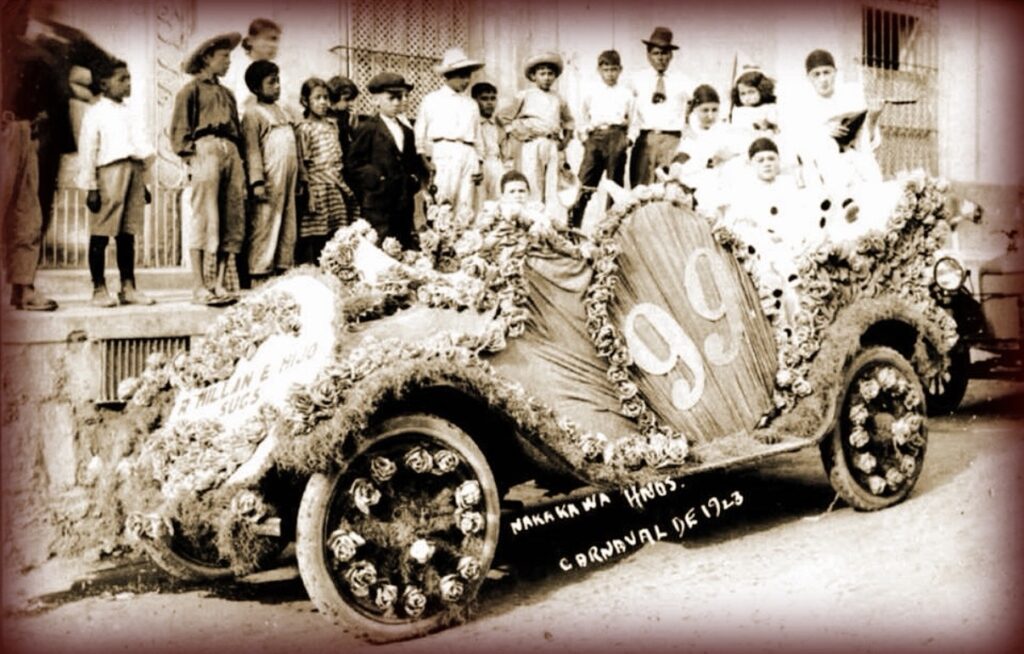
Mazatlecos know this well. That is why they repeat the phrase as one would guard an ancient truth:
the history of Mazatlán is told through its carnivals.
There were luminous years: coronations beneath old streetlamps, parades advancing through laughter, costumes sewn by hand as if they were promises. The port learned to see itself reflected in its celebration, to recognize itself in music, excess, and shared joy.
But there were also silences
Throughout its history, Carnival has been suspended seven times. Three of those suspensions were due to public health crises: the first in 1903, caused by the bubonic plague; another in 1912, due to a smallpox epidemic. The cancellation of the 2021 Mazatlán International Carnival marked the third suspension for sanitary reasons and the seventh overall.
The most dramatic interruption occurred in 1944, when, in the midst of the festivities, the Governor of Sinaloa, Colonel Rodolfo T. Loaiza, was assassinated by gunfire in the carnival district of Olas Altas, in the early hours of February 21—just one day before the celebration was set to conclude.
Historical records note that the first Carnival in this port—considered the most important celebration for Mazatlecos—took place in 1898. It is traditionally held between February and March, spanning the six days leading up to Ash Wednesday. In 1903 it was canceled for the first time due to the bubonic plague, which claimed hundreds of lives, and again in 1912 because of smallpox. In 1906, 1915, and 1916, the celebration was suspended due to lack of funds, the latter two coinciding with the upheavals of the Mexican Revolution.
Carnival was halted when epidemics walked the streets, when illness forced balconies to close and drums to be silenced. It stopped when money ran short, when violence or fear made the parade impossible. And in 2021, the blow was global: the pandemic extinguished the celebration, leaving the malecón without crowds and the city without its annual rendezvous with joy.
It was not only the absence of floats.
It was the absence of encounter.
Because Carnival is not the spectacle—it is the people. It is the woman who keeps the program as a keepsake, the child who sees the queen pass by for the first time, the shopkeeper who depends on those days to breathe a little easier. When Carnival is canceled, Mazatlán itself goes into pause.
But over time, this city learned something essential: Carnival may stop, but it does not disappear.
It always returns.
It returns with music heard from several streets away. It returns with the malecón overflowing, with color pushing back the night, with tired but joyful bodies. It returns as it did in 2025, when more than one million people reclaimed their right to celebration, to the street, to the collective “we.”
It is not only economic impact—though that exists.
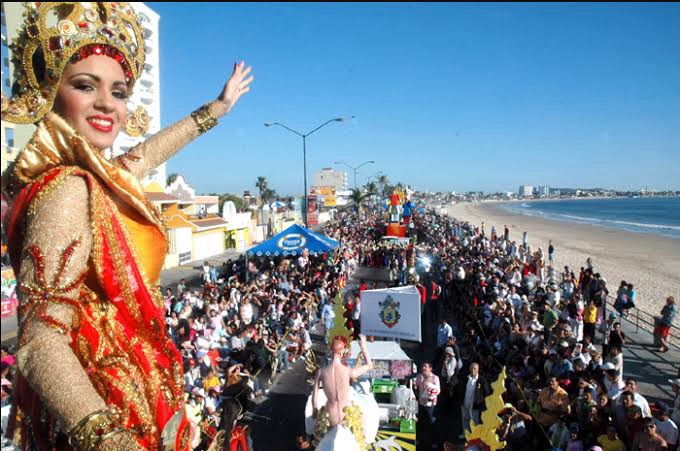
It is emotional impact.
Carnival is a form of resistance. A way of saying that Mazatlán does not surrender, that even in its darkest years the city keeps confetti in its pockets, waiting for the light to return.
That is why every edition matters.
That is why every suspension hurts.
And that is why every return is celebrated as if it were the first.
Because in the end, when the final chord fades and the malecón is covered in colored paper, something deeper remains: the certainty that Mazatlán is still there, telling its story year after year, carnival after carnival.
And as long as there is memory, music, and sea, history will continue to be written this way:
with celebration, with resistance, and with the stubborn joy of a port that refuses to forget who it is.