

Mariana I Crowned Queen of the 2026 Floral Games in a Historic Night for Poetry and Sinaloan Music
Teodoro Mariscal Stadium hosted a ceremony honoring Germán Lizárraga’s 75-year career and celebrating the literary tradition of the 2026 Mazatlán International Carnival
By Margarita Ebanogorrea* | P23
Teodoro Mariscal Stadium was transformed into a space of solemnity and celebration during the coronation of Mariana I as Queen of the Floral Games of the 2026 Mazatlán International Carnival, under the resounding motto ¡Arriba la Tambora!
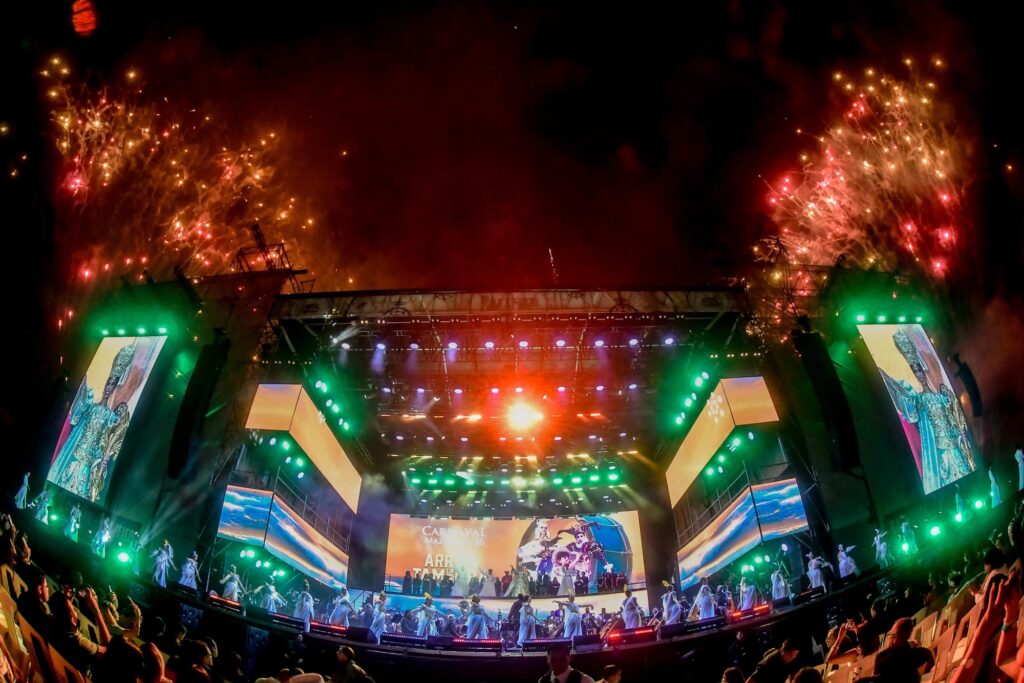
The stadium ceased to be a stadium and became a temple. Not of stone, but of brass and drum. There, Mariana I was crowned Queen of the Floral Games in a ceremony where poetry and music faced one another like two old lovers who have never betrayed each other.
The ceremony included the presentation of the Clemencia Isaura Poetry Prize to Ricardo Venegas Pérez for his work “Nada en un verso me es ajeno” (“Nothing in a Verse Is Foreign to Me”), reaffirming the historic bond between literature and carnival in this Pacific port city.
The air carried the scent of celebratory fireworks and freshly written paper. The title could well have been the night’s motto: nothing was foreign to the verse — not the clarinet, not the tuba, not memory itself.
One of the most significant moments was the tribute to Germán Lizárraga, recognized for 75 years of artistic career. The musician, founder of Estrellas de Sinaloa, actively participated in the evening, performing on clarinet.

The Government of Mazatlán and the Municipal Institute of Culture, Tourism and Art honored him, but it was the audience who consecrated him. He entered dressed in formal attire, clarinet in hand, and the stadium rose to its feet as if welcoming a captain returning to port.
The Sinaloa Symphony Orchestra of the Arts accompanied the musical production alongside Estrellas de Sinaloa and the Municipal Folkloric Ballet.
It was not fusion, but conversation: European solemnity intertwined with Sinaloan roots like two currents flowing into the same delta. The Ballet embroidered the stage with movements that seemed written upon the air.
Los Papaquis, De Mazatlán a Acaponeta, Cinco de Chicle, El Niño Perdido, Mambo 8, and Toro Mambo filled the night. Each piece was an open letter to the port. In every measure beat the certainty that tambora music is not merely heard — it is inherited.
There was a moment suspended in time: the tribute to Karina Dueñas Loubet, Floral Games Queen 25 years ago. Her son, Joel Álvarez Dueñas, bowed before her in a gesture of pure reverence. It was not protocol — it was gratitude. Within that gesture lived the full genealogy of a tradition written in proper names.
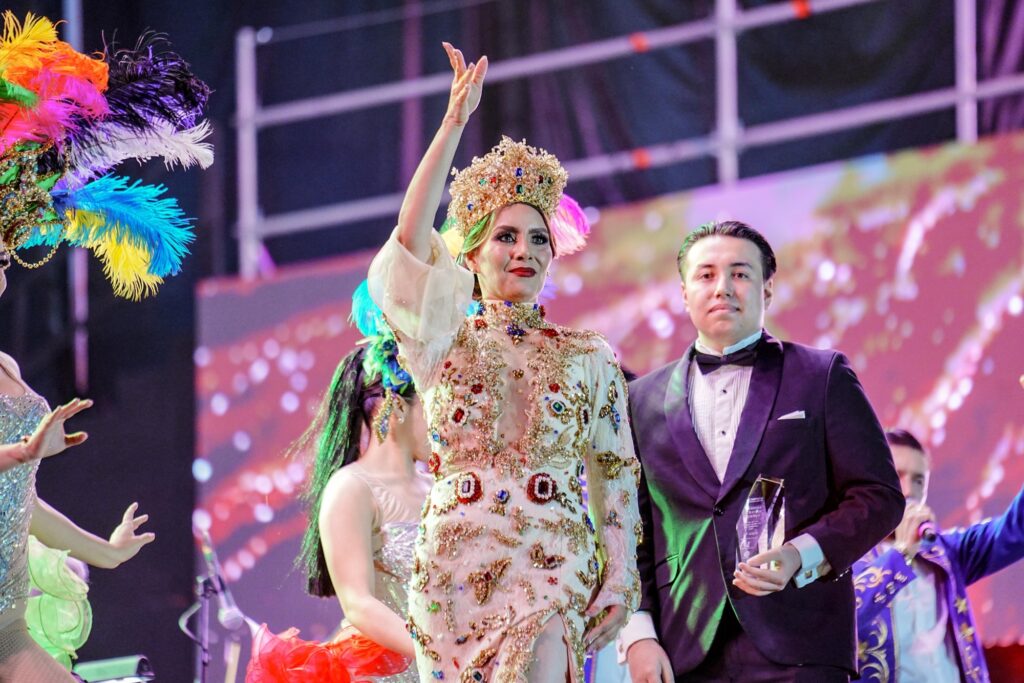
When Mariana I ascended the throne, she did so accompanied by dance and brass. She was crowned by the prize-winning poet, as tradition dictates: poetry delivers the crown, and the queen returns the Natural Flower. It is a symbolic pact that Mazatlán safeguards with maritime devotion.
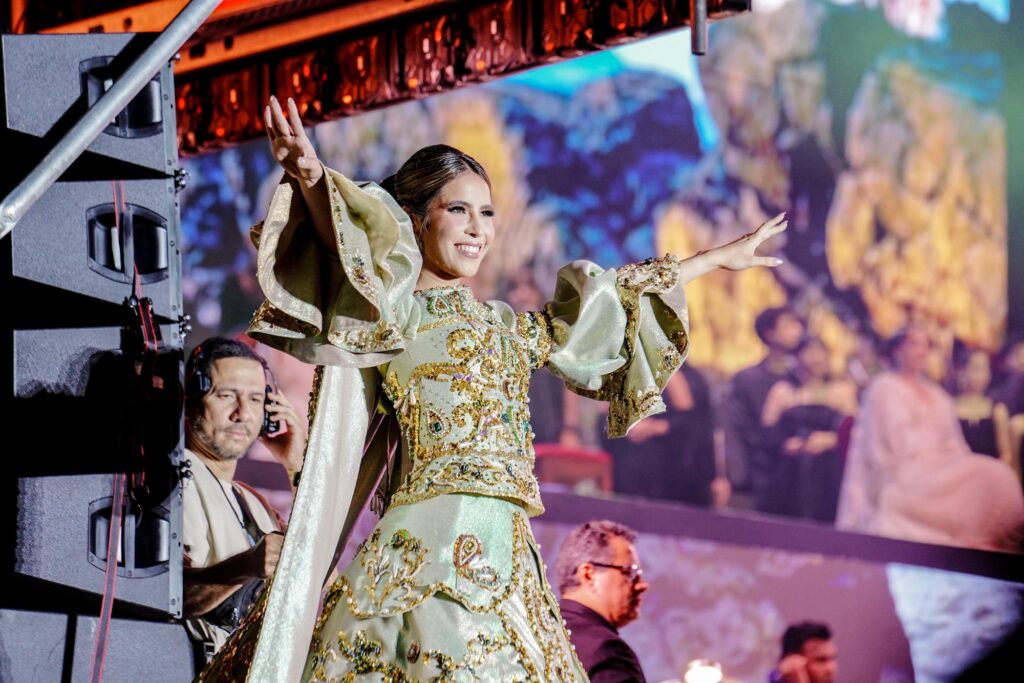
The evening also featured special guests including Edén Muñoz, Julio Preciado, Pancho Barraza, and El Mimoso, who joined the musical tribute.
If tonight were told from the Cantabrian coast, one might say:
there are nights that do not belong to the calendar, but to memory. This was one of them.
Mazatlán crowned its queen, celebrated its poet, and embraced its master musician. And as fireworks embroidered the sky, the tambora confirmed what the sea has always known: identity is not proclaimed — it is felt.