Where Carnival Begins: Mazatlán Sets the Table for the World
Mariana Rivera | P23
The Traditional Gastronomic Showcase of the 2026 Mazatlán Carnival Opens
— A living tradition of flavor, family and coastal identity —
Before the brass of the tambora pierces the night, before the first parade claims the Malecón, Carnival in Mazatlán begins where it has always begun: at the table.
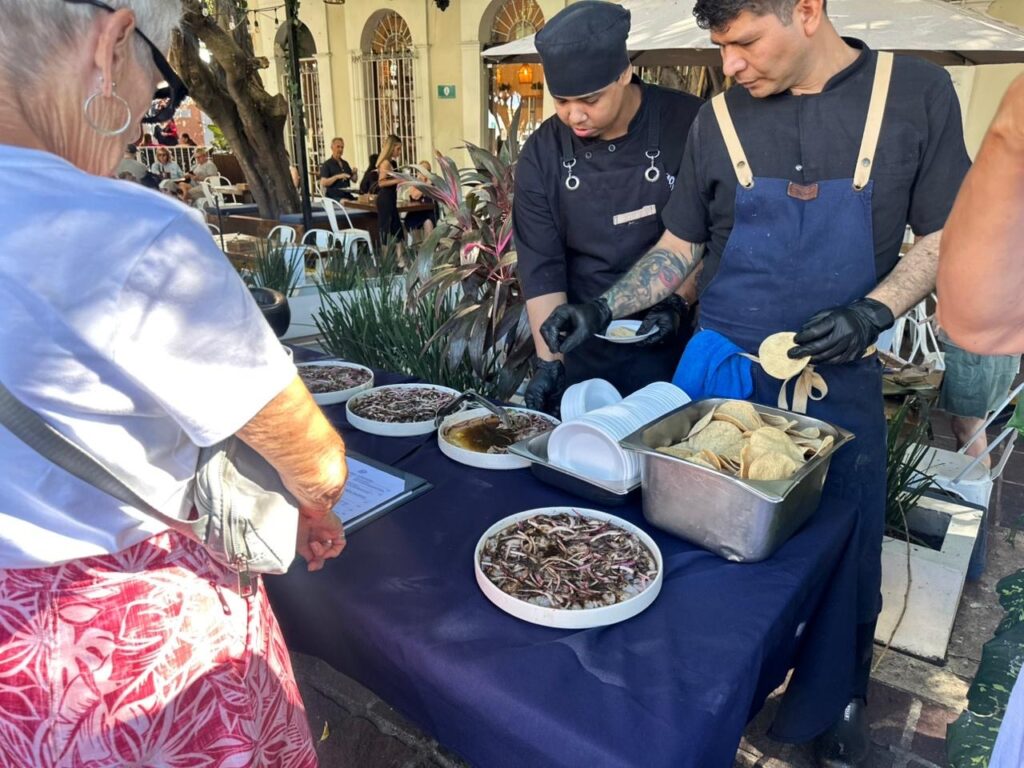
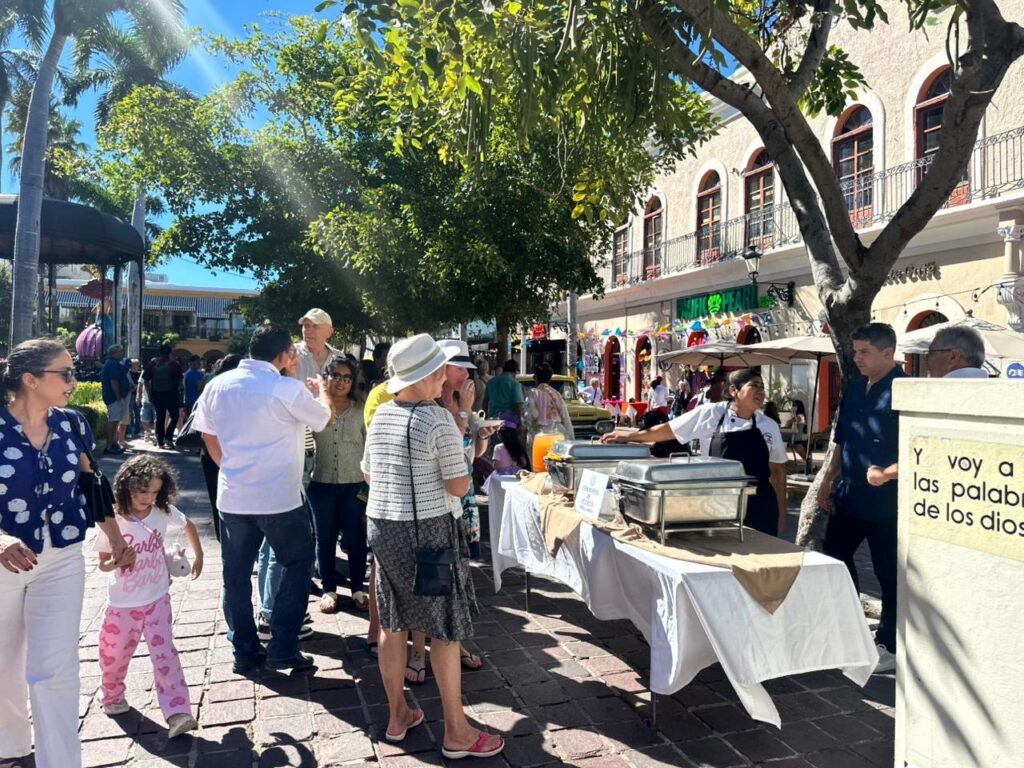
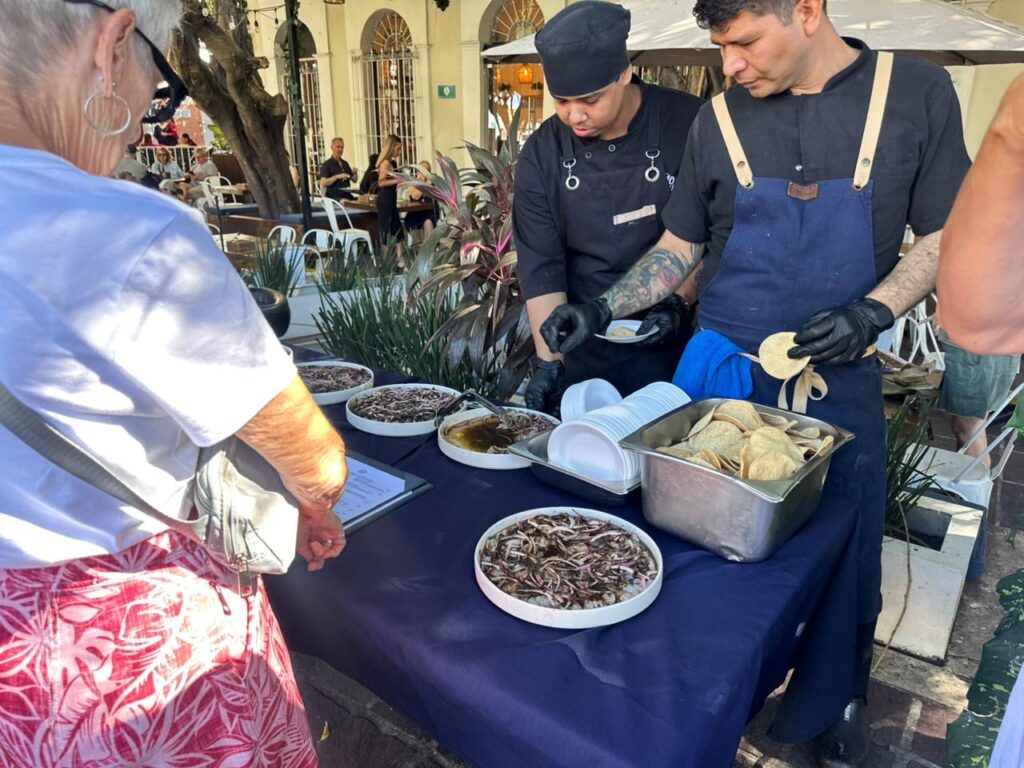
Under the amber glow of the Historic Center, in the storied embrace of Plazuela Machado, the 2026 Mazatlán International Carnival, “Arriba La Tambora,” opened not merely with a ceremonial ribbon, but with the rising perfume of the Pacific — shrimp searing in butter, lime striking fresh seafood, roasted chiles releasing their depth into the coastal air.
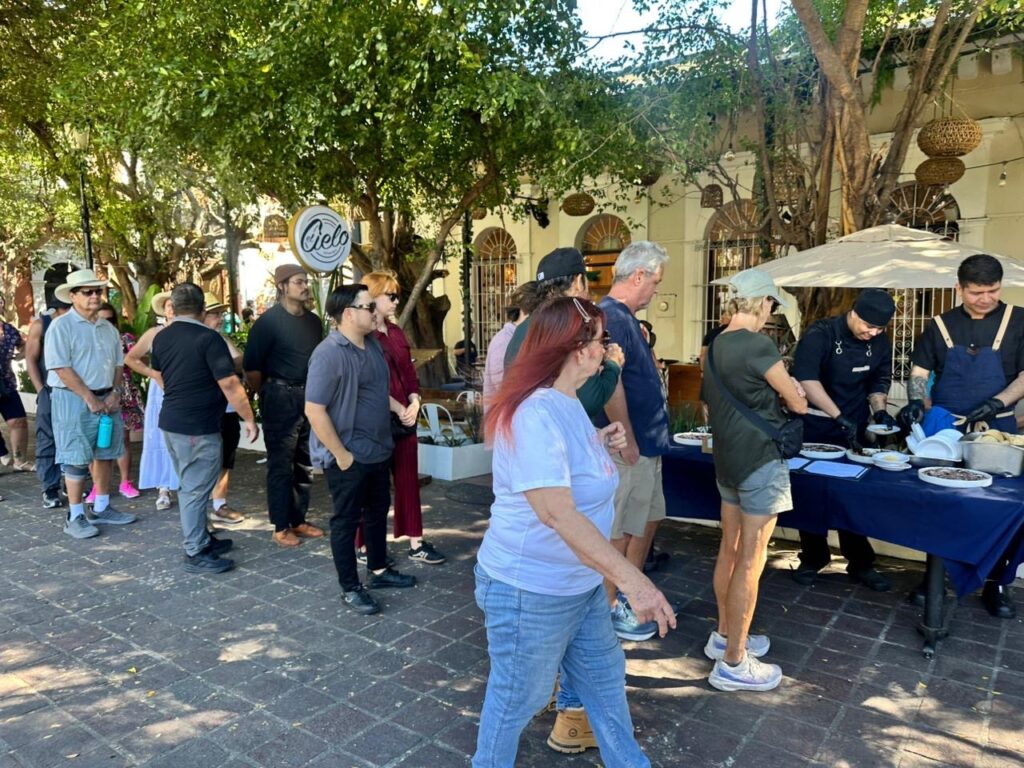
The gastronomic showcase, now one of the most anticipated early rituals of Carnival, gathers dozens of restaurants and culinary entrepreneurs whose craft represents generations of inheritance. What visitors encounter here is not improvisation, but lineage.
Mazatlán’s culinary tradition is a treasure shaped by geography and memory. Anchored by the Sea of Cortez — an inexhaustible source of fish and shellfish — the cuisine of the port rests on freshness as doctrine. Here, seafood is not ingredient; it is identity.
The emblem of that identity may well be the aguachile: raw shrimp bathed in lime, ignited by chile, sharpened by salt. It is a dish that does not whisper — it declares. Fresh, bold, immediate. A coastal manifesto served cold.
Beside it, ceviche — delicate yet assertive — reveals the balance that defines Mazatlán’s palate: citrus, cilantro, tomato, onion, sea. Each bite refreshes against the tropical heat, a reminder that gastronomy here is designed to live with climate, not against it.
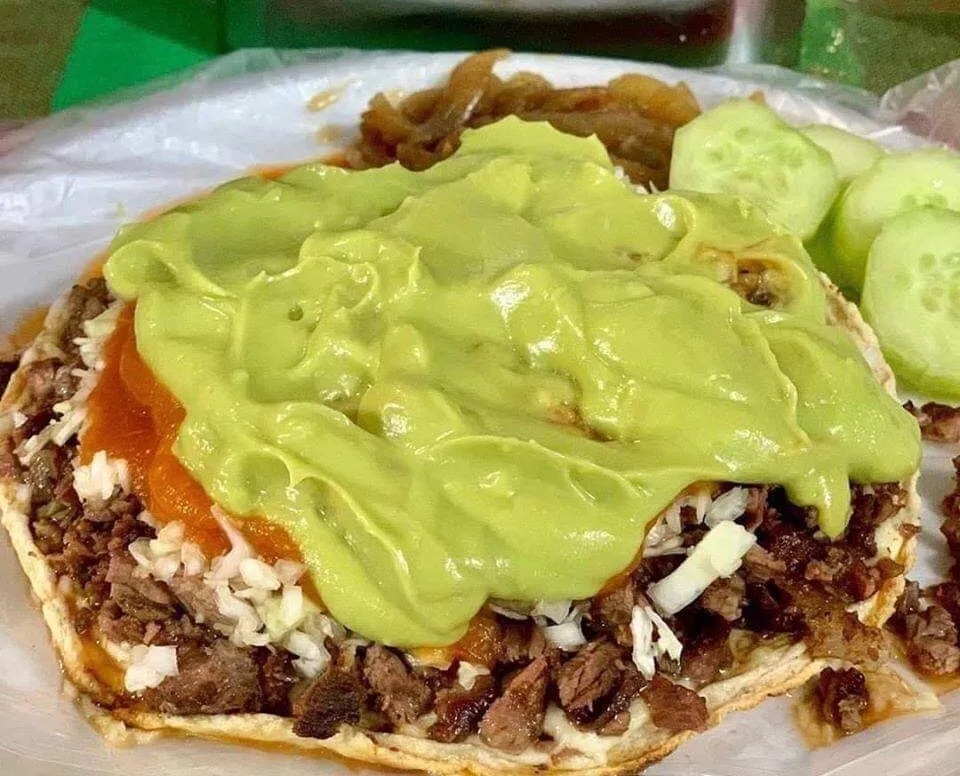
There are tacos gobernador — flour tortillas embracing shrimp and melted cheese, born of port ingenuity — and sweet tamales de elote, tender and golden, echoing inland agricultural roots. Every preparation carries a dual inheritance: sea and land, migration and memory.
But Mazatlán’s gastronomic tradition is not measured solely by its recipes. It is measured by how they are shared.
Families gather around long wooden tables. Grandmothers correct technique with a glance. Children learn the rhythm of lime and knife. Foreign visitors — drawn first by Carnival — often discover something deeper: that Mazatlán is not only spectacle, but communion.
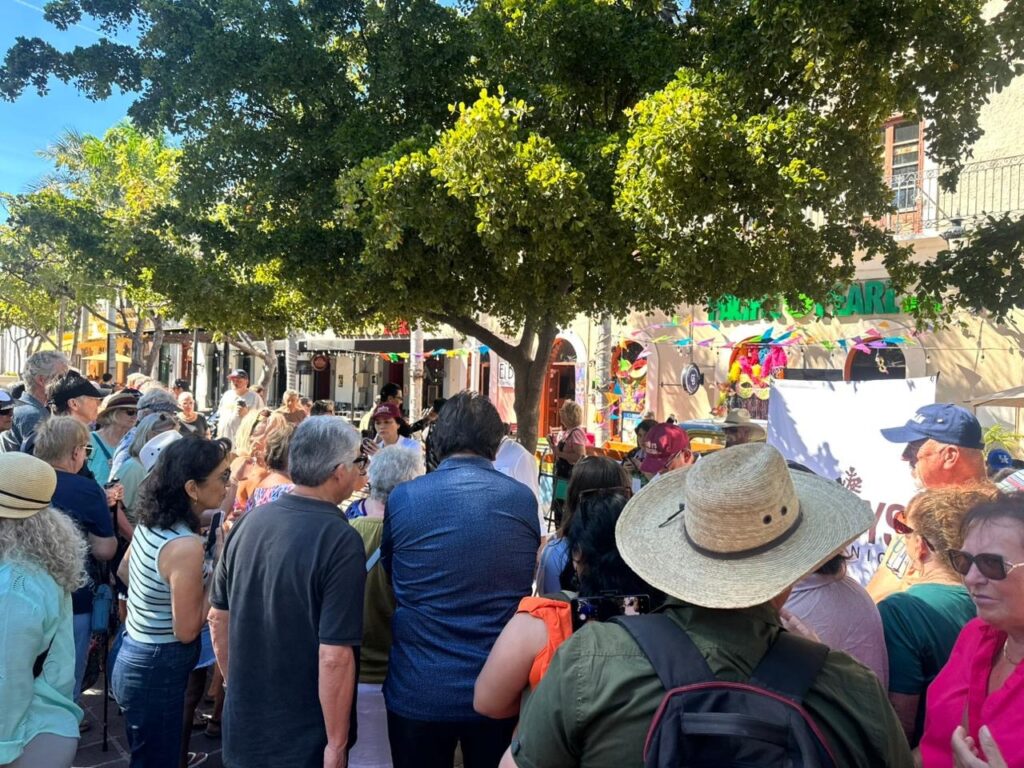
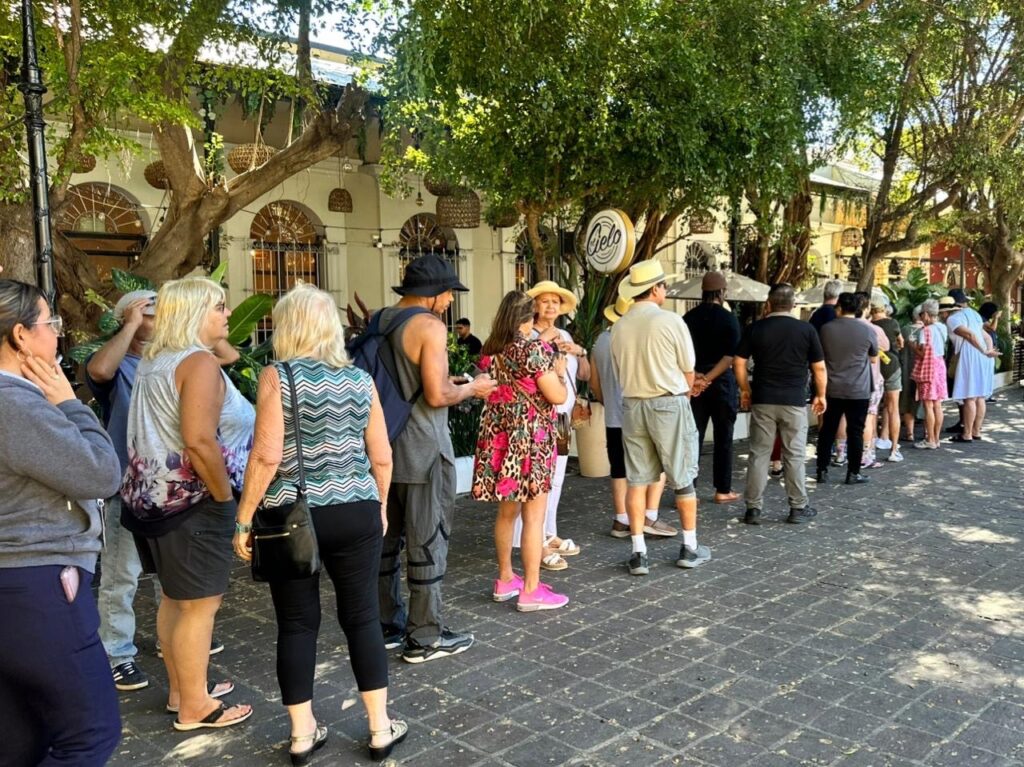
From February 12 through 17, the showcase will remain open, serving as both culinary celebration and cultural statement. Representing the municipal government, Secretary of Economic Development and Tourism Alí René Zamudio Garza underscored its economic and symbolic importance. From day one, the plaza filled with locals and international guests alike — an early sign that this Carnival promises abundance.
Yet beyond attendance figures and official speeches, what lingers is simpler and more enduring: the sense that in Mazatlán, tradition is not archived — it is plated.
Carnival may dazzle in the streets.
But it is remembered at the table.