In 1996, two years before celebrating the centennial of its modern Carnival (1898–1998), Mazatlán did something unusual.
Mario Martini | P23
Instead of simply preparing for a bigger party, the city chose to tell its own story.
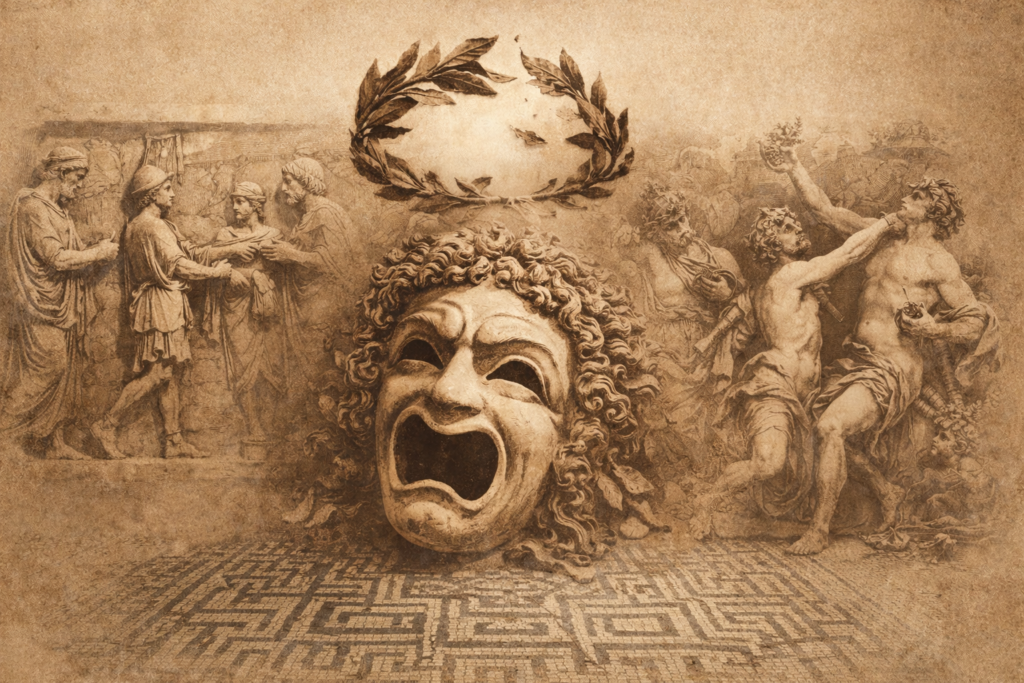
The commemorative edition titled Carnaval Mazatlán 1996 – Los Orígenes was not a tourist brochure. It was a cultural statement. It traced the roots of the Carnival far beyond confetti and parades — back to ancient Europe, colonial Mexico, indigenous ritual, epidemics, political violence, literature, and even beer.
For foreign residents who experience Carnival as one of the largest celebrations on Mexico’s Pacific coast, the 1996 edition revealed something deeper:
Mazatlán’s Carnival is not just entertainment.
It is historical memory.
Before 1898: The Indigenous Connection
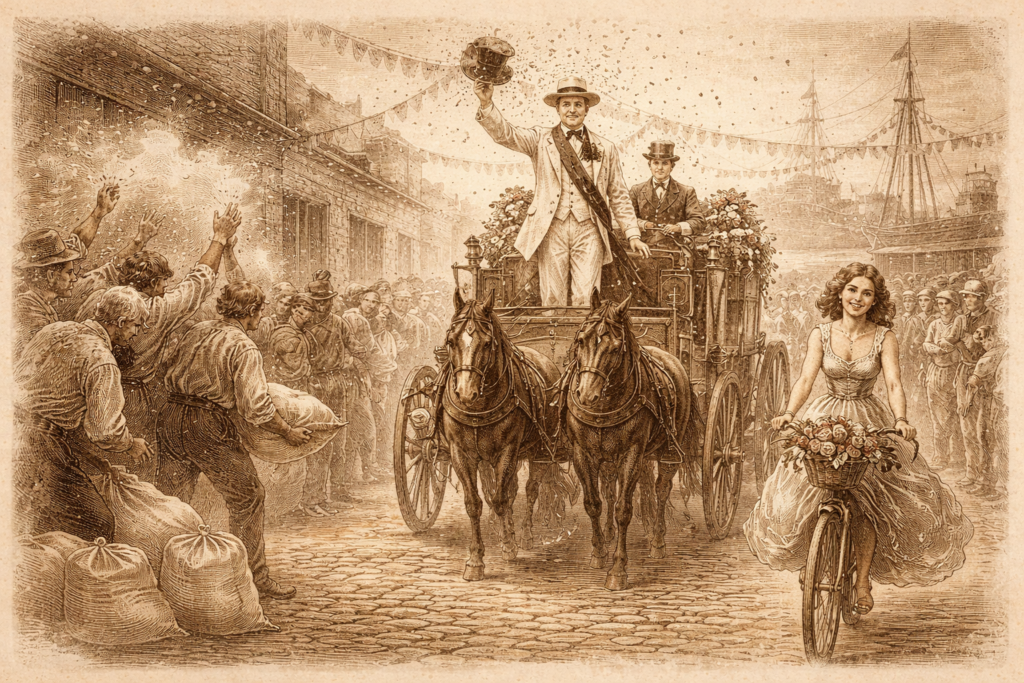
While the modern Carnival is officially dated to 1898 — when civic leaders organized structured parades and replaced flour-throwing chaos with confetti — the celebration itself predates that moment.
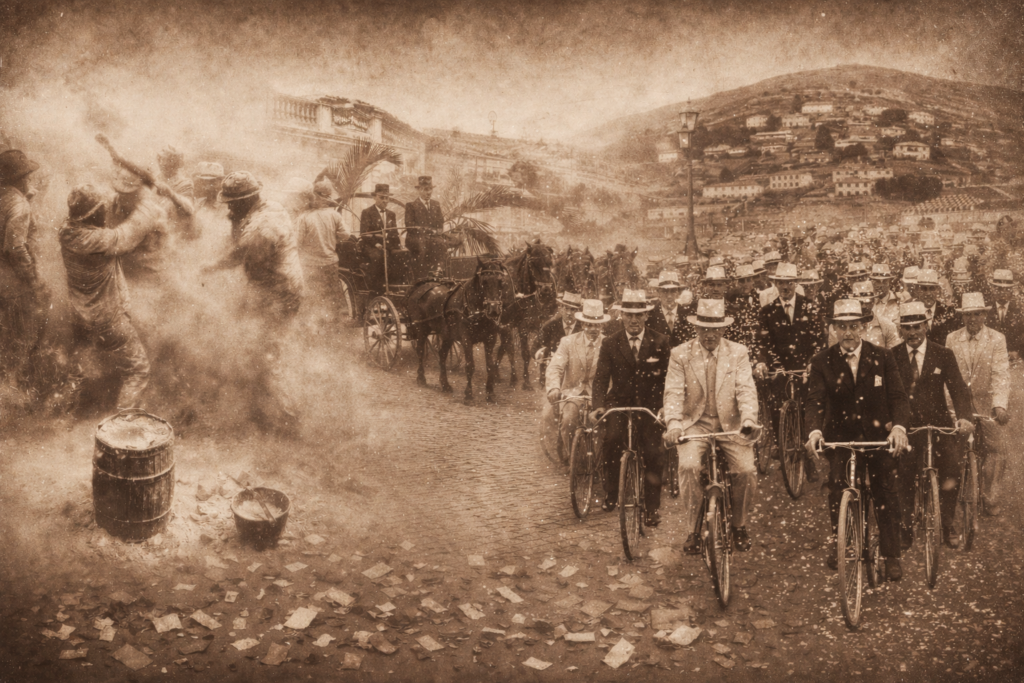
The 1996 publication highlights the Papaquis, an indigenous Nahuatl-rooted tradition practiced in southern Sinaloa. These events featured poetic “verbal battles” between groups, symbolic confrontations, music, and communal celebration.
Carnival in Mazatlán did not simply arrive from Europe.
It merged with local ritual.
This blending of Spanish, French, and indigenous traditions shaped the identity of the port city.
Epidemics and Interruptions: The 1903 Plague
One of the most striking sections recounts the 1903 outbreak of bubonic plague, believed to have arrived via a ship from San Francisco.
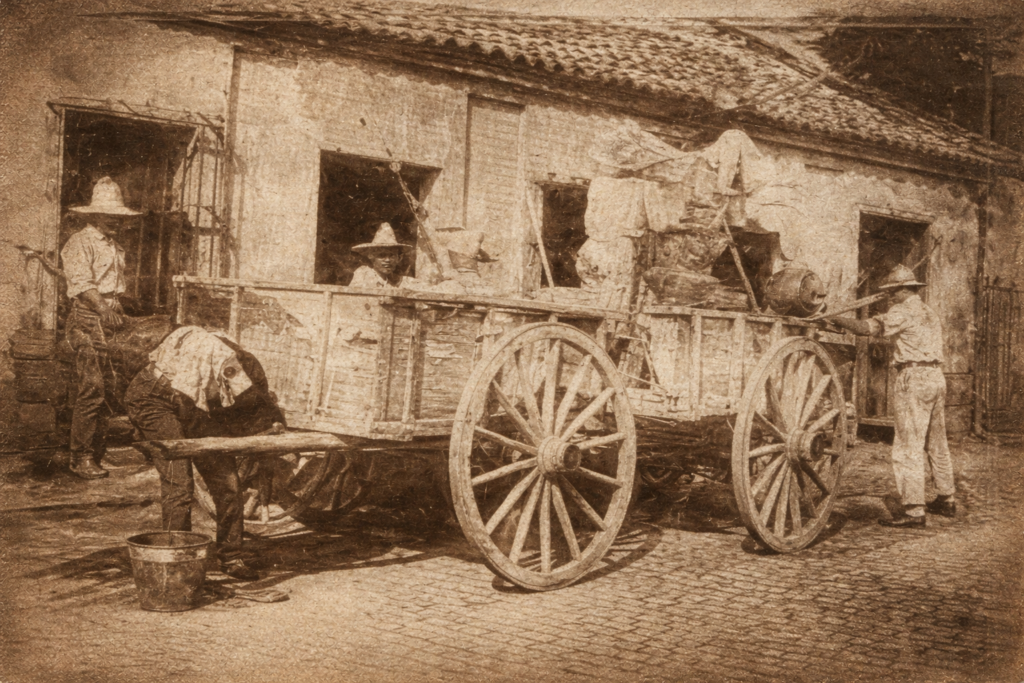
That year, Carnival was suspended.
It would not be the last interruption:
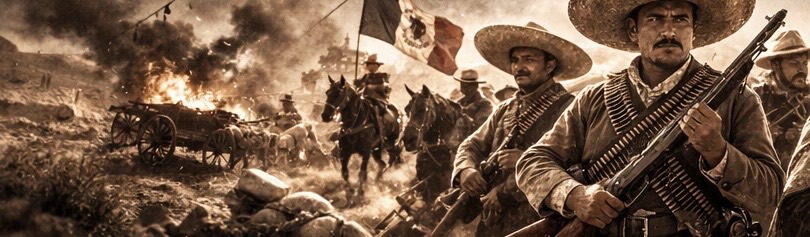
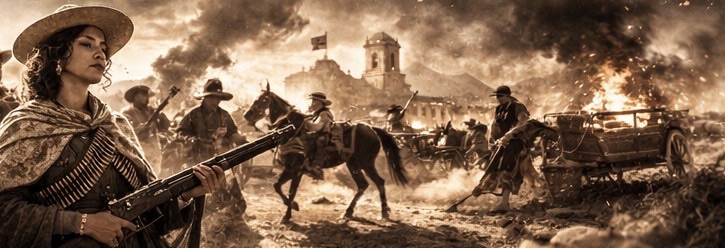
1906–1907: lack of funds 1912: viral epidemic 1915–1916: economic instability during the Revolution 1944: suspension following the assassination of Governor Rodolfo T. Loaiza
The celebration endured political turmoil, disease, and economic crises.
For long-term foreign residents, this offers perspective: Carnival is resilient because the city itself has had to be resilient.
Beer, Industry, and Modernity
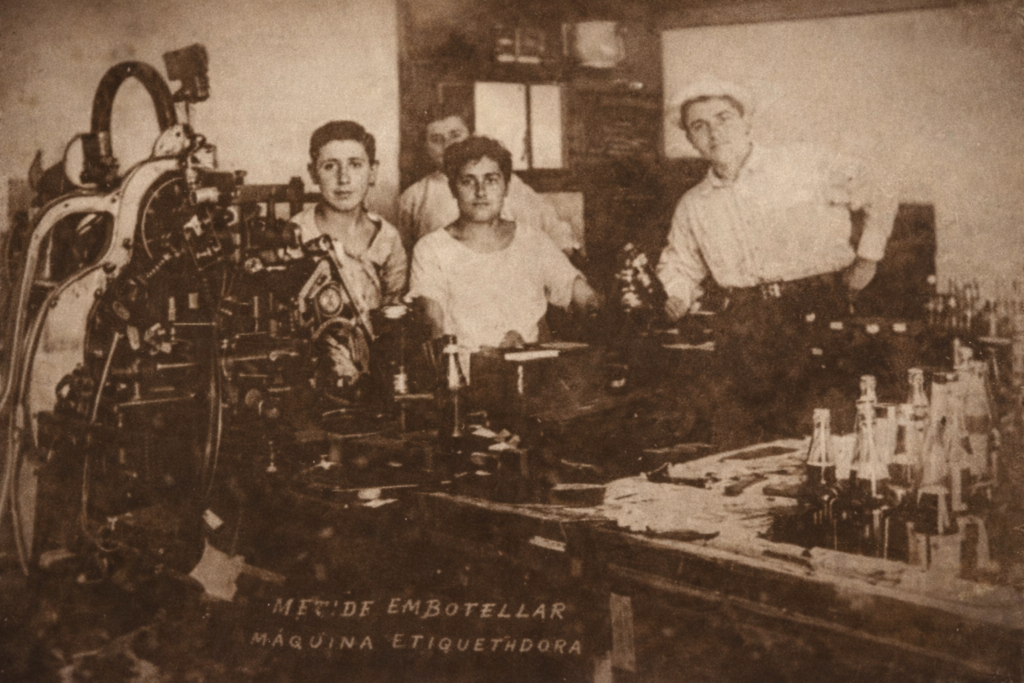
The founding of Pacifico Brewery in 1900 became intertwined with Carnival’s expansion. By the early 20th century, beer sales were central to the event’s financing and growth.
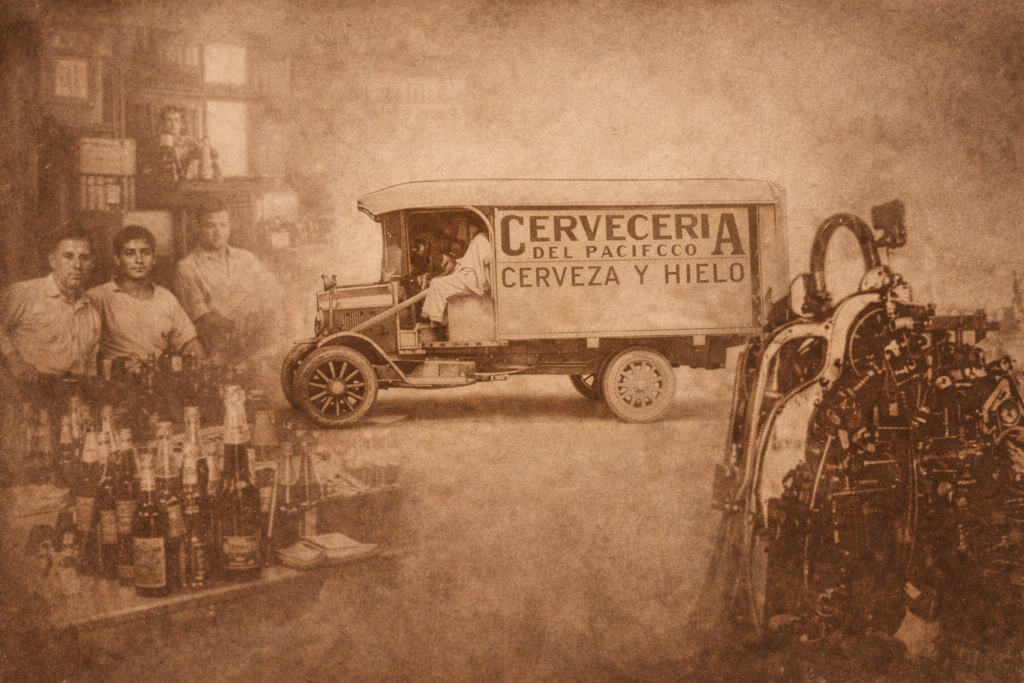
The 1996 account openly discusses the commercial dimension:
large-scale beer consumption, exclusive distribution contracts, and the role of business sponsorship in shaping the celebration.
Carnival was culture — but also economy.
Literature and the “Athens of the Pacific”
Mazatlán once aspired to be known as the “Athens of the Pacific.”
By 1925, the city launched the Juegos Florales (Floral Games), a prestigious literary competition that became part of Carnival.
Writers such as Amado Nervo and later honorees like Jaime Sabines were connected to this tradition.
This literary layer remains one of Carnival’s most unique features compared to other Mexican celebrations.
It is not only spectacle.
It is poetry.
Queens, Fashion, and the Roaring Twenties
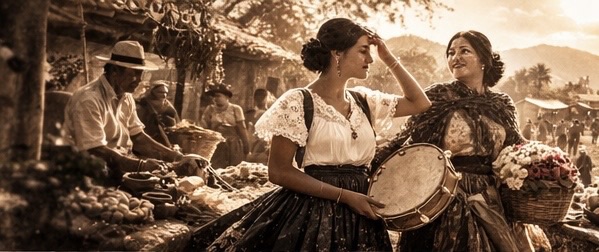
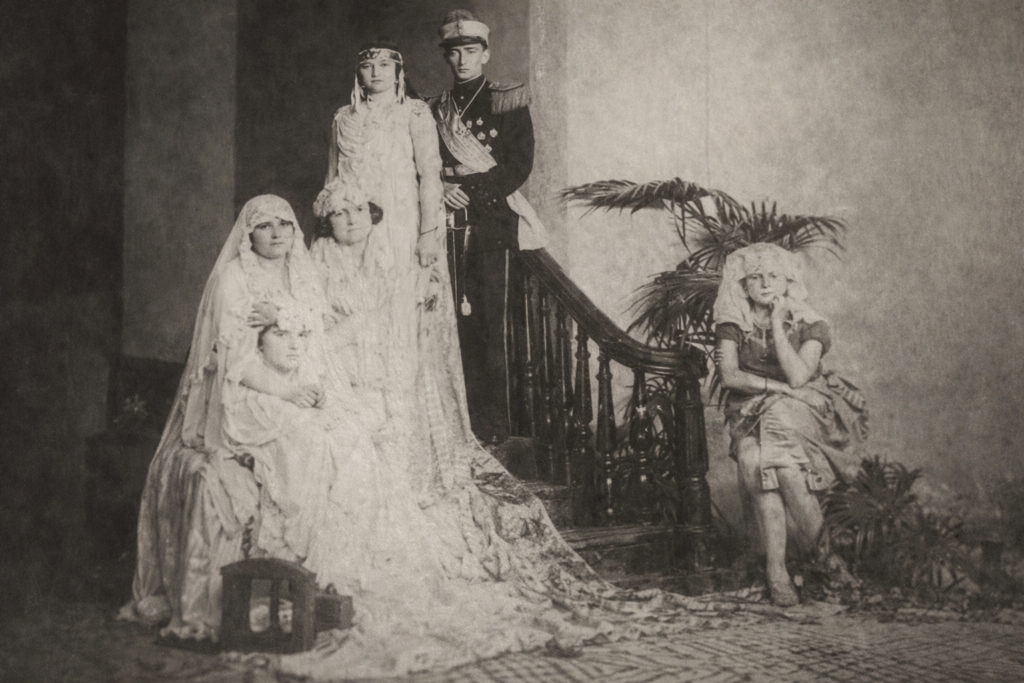
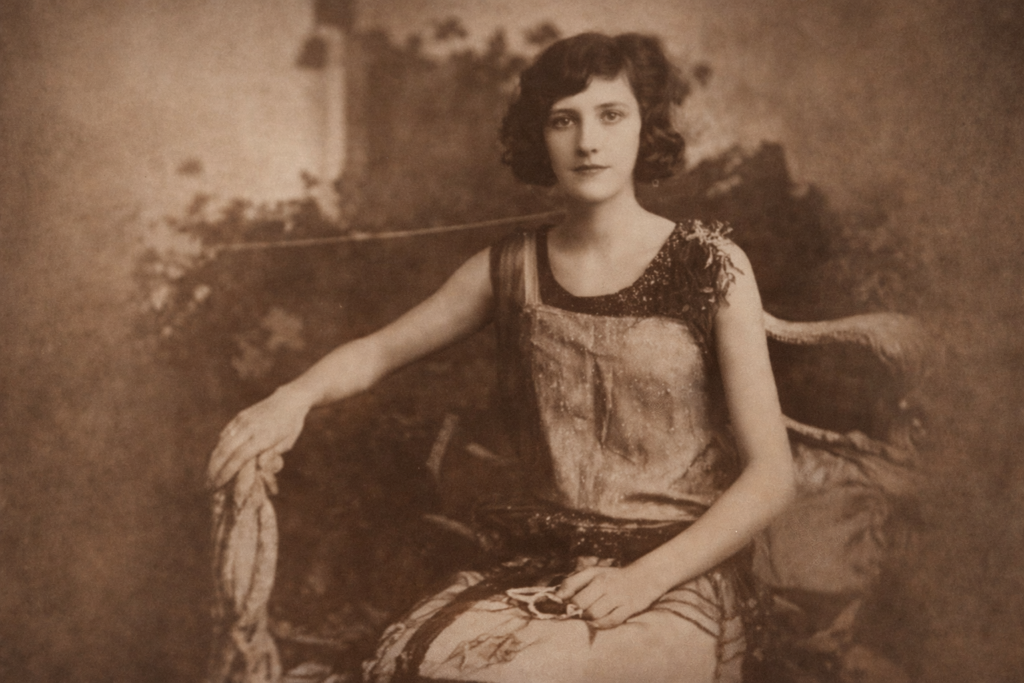
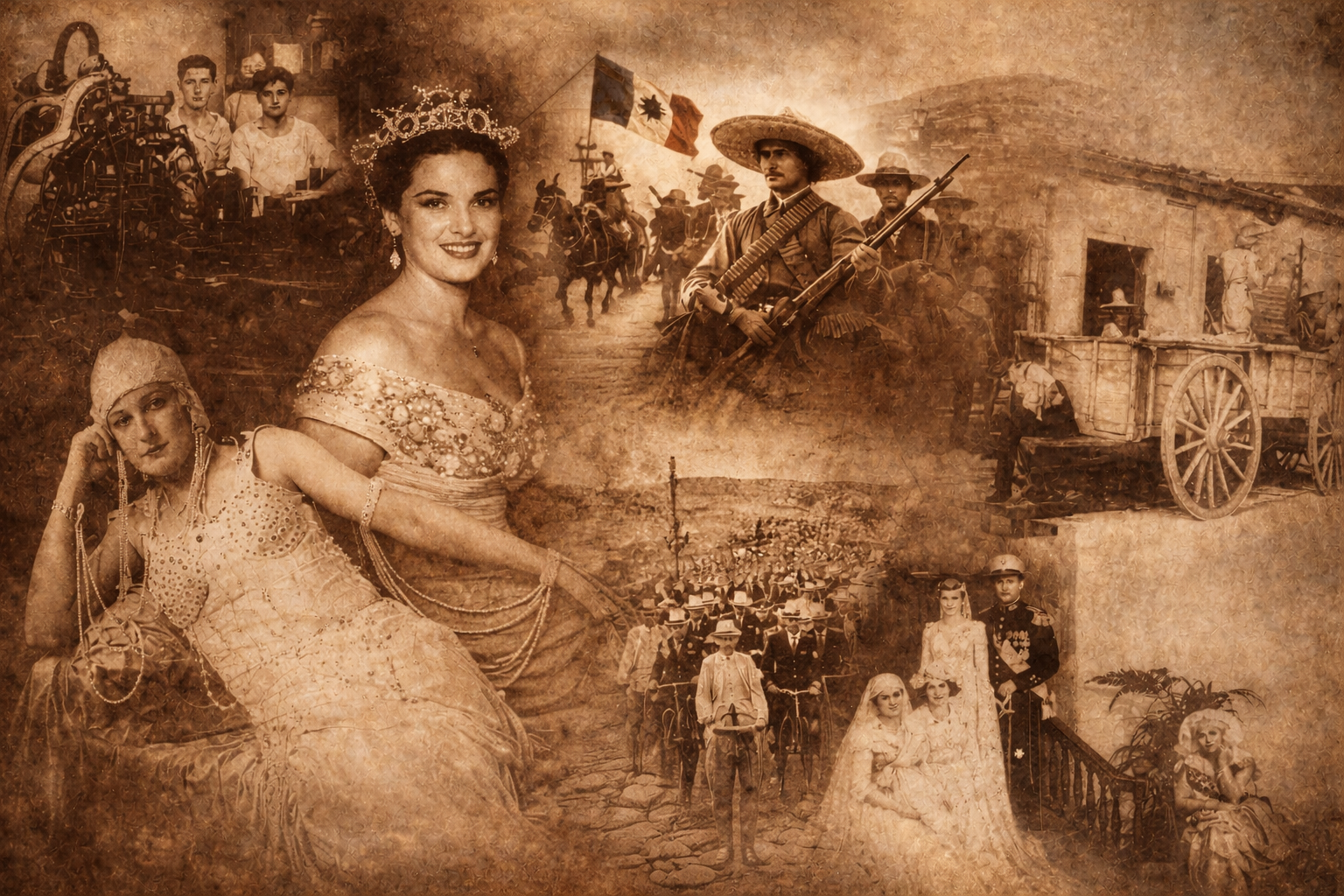
Archival photographs from the 1920s and 1930s show Carnival royalty in elaborate European-inspired fashion, reflecting Mazatlán’s cosmopolitan port history.
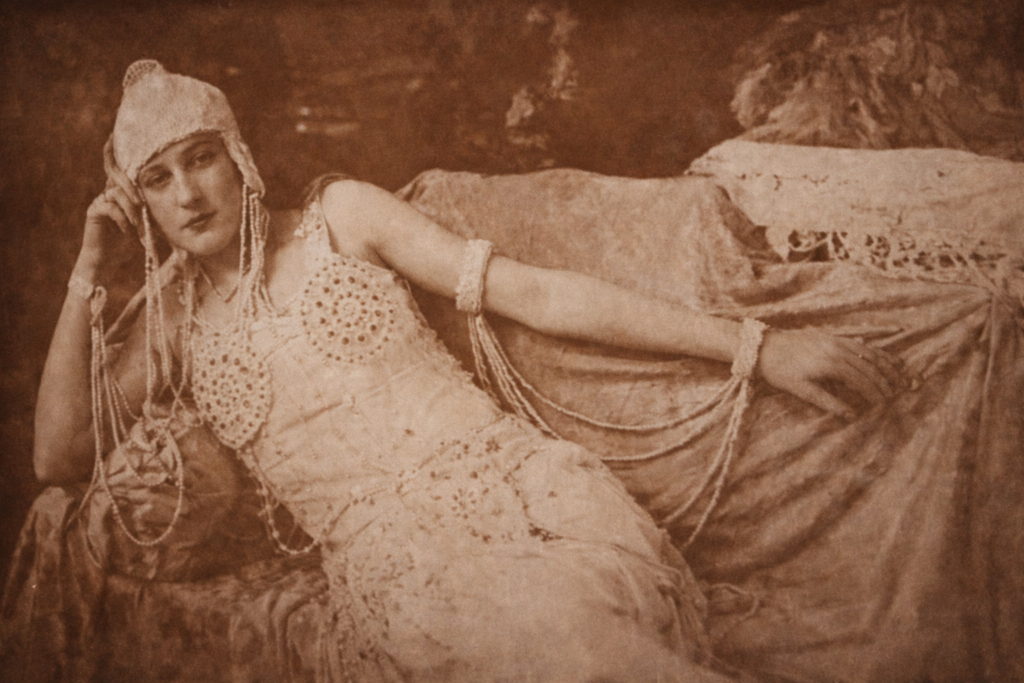
Irish, German, Spanish, and French immigrants had already shaped the city’s commercial and cultural life by the late 19th century.
Carnival became a stage for that global identity.
Satire and Political Humor
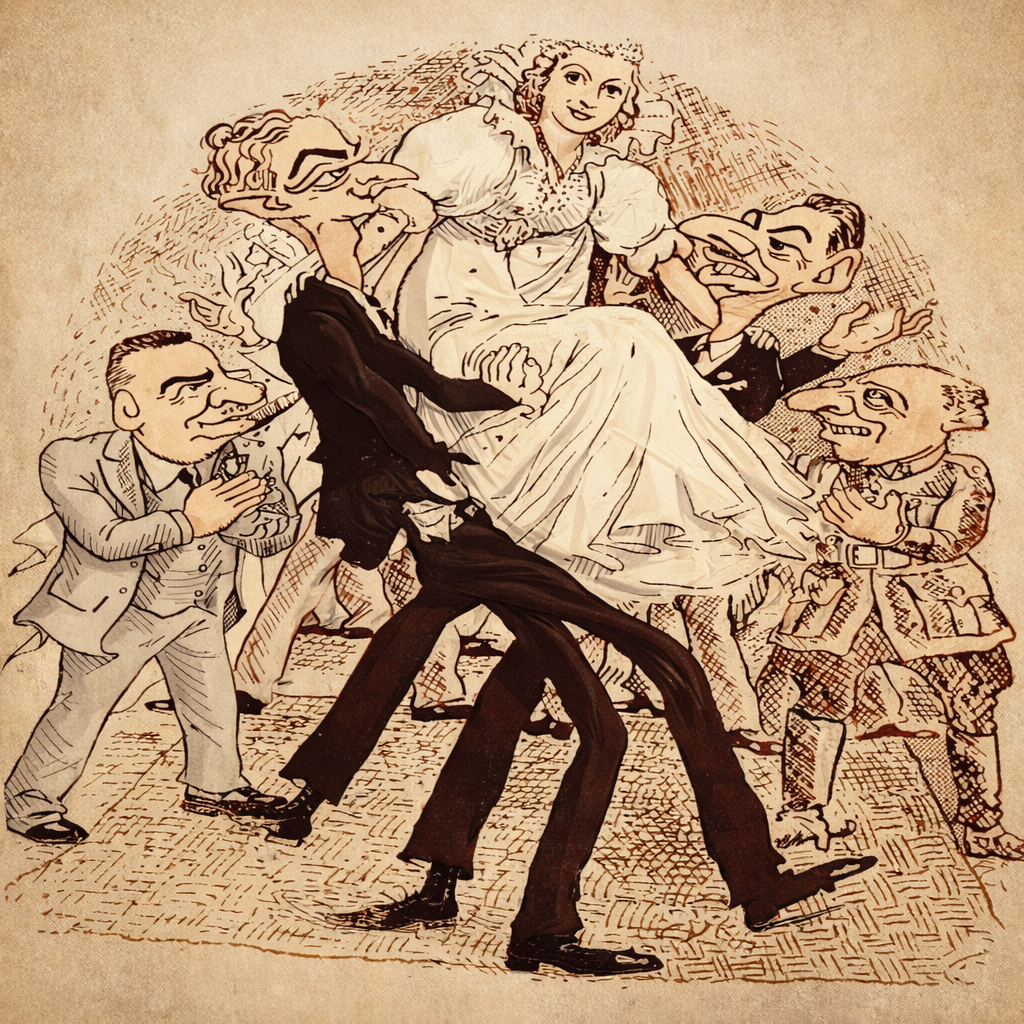
The tradition of burning “El Mal Humor” (Bad Mood) symbolizes public catharsis — a ritualized criticism of political and social tensions.
Cartoonists and satirists played a key role in this expression, reinforcing Carnival’s function as both celebration and commentary.
Why 1996 Mattered
By publishing Los Orígenes, Mazatlán was preparing for its centennial — but it was also reinforcing legitimacy.
The city needed to remember:
its indigenous roots its literary ambition its resilience through epidemics its economic modernization its political upheavals
In 1996, Mazatlán did more than celebrate.
It defined itself.
And for today’s international community living in the port, understanding this history transforms Carnival from a spectacle into a shared cultural inheritance.
It is not just six days of celebration.
It is more than a century of adaptation.